


Generally, not wearing a helmet does not stop you from filing a Louisiana motorcycle injury claim. However, Louisiana's helmet law gives insurers an opening to argue that your head injuries were worse than they had to be. That argument may lower what they offer.
Why do these motorcycle helmet myths stick?
These myths stick because helmet rules, fault rules and insurance tactics get mixed together. Riders hear bits from friends, online forums and adjusters, and the pieces rarely fit. Louisiana also changed key injury rules in 2024 and 2025, so advice that was right a few years ago may be wrong now.
Recent news of two deadly motorcycle crashes in Louisiana is a reminder of how fast a ride can change a life. After a crash, riders and families often hear from an insurance adjuster before they've had time to learn the rules. That's when myths can do the most harm.
There's also a gap between fault and damages. Fault is about who caused the crash. Damages are the losses you can be paid for, like medical bills, lost wages and pain. Helmet use is usually a damages question, not a crash-cause question, but insurers sometimes blur the two.
What are the common Louisiana motorcycle helmet and injury claim myths?

The most common myths are that no helmet means no claim, that wearing a helmet shields you from blame, and that old deadlines and fault rules still apply. Each one has a grain of truth that insurers can lean on. Here's how each myth compares with what Louisiana law actually says.
Myth: If I wasn't wearing a helmet, I can't file a claim.
Fact: You can generally still file. Louisiana's helmet statute, La. R.S. 32:190, requires riders and passengers to wear an approved helmet, and breaking it can mean a ticket. But a missing helmet doesn't make a driver run a stop sign or turn left in front of you.
Where it can matter is the injuries. An insurer may argue that a helmet would have prevented or reduced a head injury, then try to cut that part of the claim. How much weight that argument gets depends on the facts, the medical proof and the court.
Myth: If I wore a helmet, the insurer can't blame me.
Fact: A helmet protects your head and removes one argument, but it doesn't end the fault discussion. Adjusters may still ask about your speed, lane position, lights and whether you were weaving through traffic. Any of those answers can be used to give you a share of the fault.
Myth: Partial fault only trims my payment a little.
Fact: That depends on the crash date. Under Civil Code Article 2323, Louisiana reduces your recovery by your percentage of fault. For crashes on or after January 1, 2026, Act 15 of 2025 adds a hard line: a rider found 51% or more at fault recovers nothing.
That makes every percentage point count more. An insurer may try to add several small fault arguments together to push a rider over that line. Crashes before 2026 generally follow the older rule, which reduces recovery but doesn't bar it.
Myth: I have one year to file, like everyone says.
Fact: One year is out of date for newer injuries. Act 423 of 2024 created Civil Code Article 3493.1, which generally gives you two years to file for injuries on or after July 1, 2024. Injuries before that date generally still fall under the old one-year period. Louisiana calls this deadline prescription, its word for a filing deadline.
Myth: A quick recorded statement will speed things up.
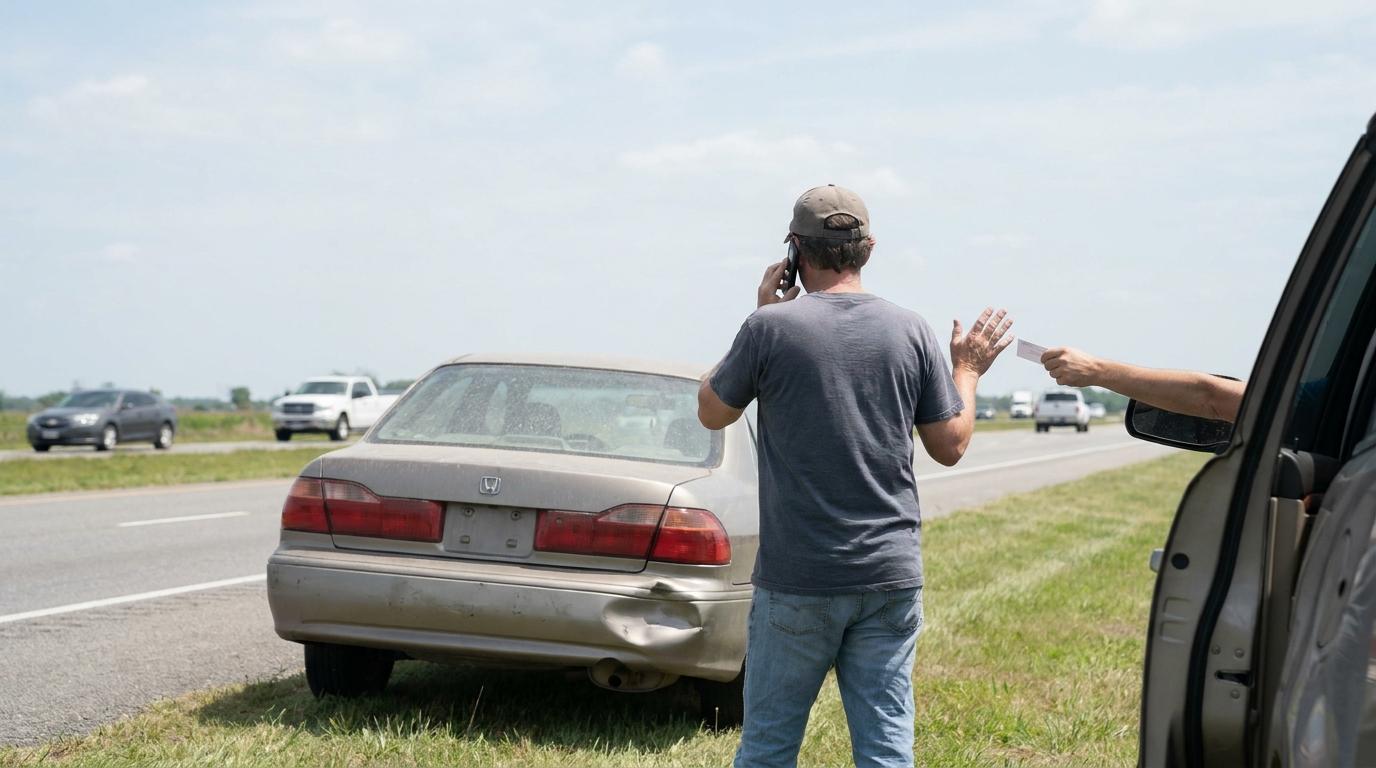
Fact: A recorded statement mostly helps the insurer collect facts it can use later. You generally don't have to give one to the other driver's insurance company. Questions like "Were you wearing your helmet?" or "How fast were you going?" can sound routine. But the answers may end up in a fault argument.
What's actually true about a Louisiana motorcycle injury claim?
What's true is that your claim generally turns on three things: who caused the crash, what your injuries cost, and when the crash happened. Helmet use may affect the damages side. The new 51% rule raises the stakes on fault for crashes in 2026 and later, so it helps to know the rules before you talk to any insurer.
 Do I Have A Case?Answer a few quick questions about your accident.Check My Case
Before you give any statement, these steps can help:
- 01. Get medical care first. Some head and neck injuries show up hours or days later, and medical records link your injuries to the crash.
- 02. Write down what happened while it's fresh: the time, place, weather, lanes and what the other driver did.
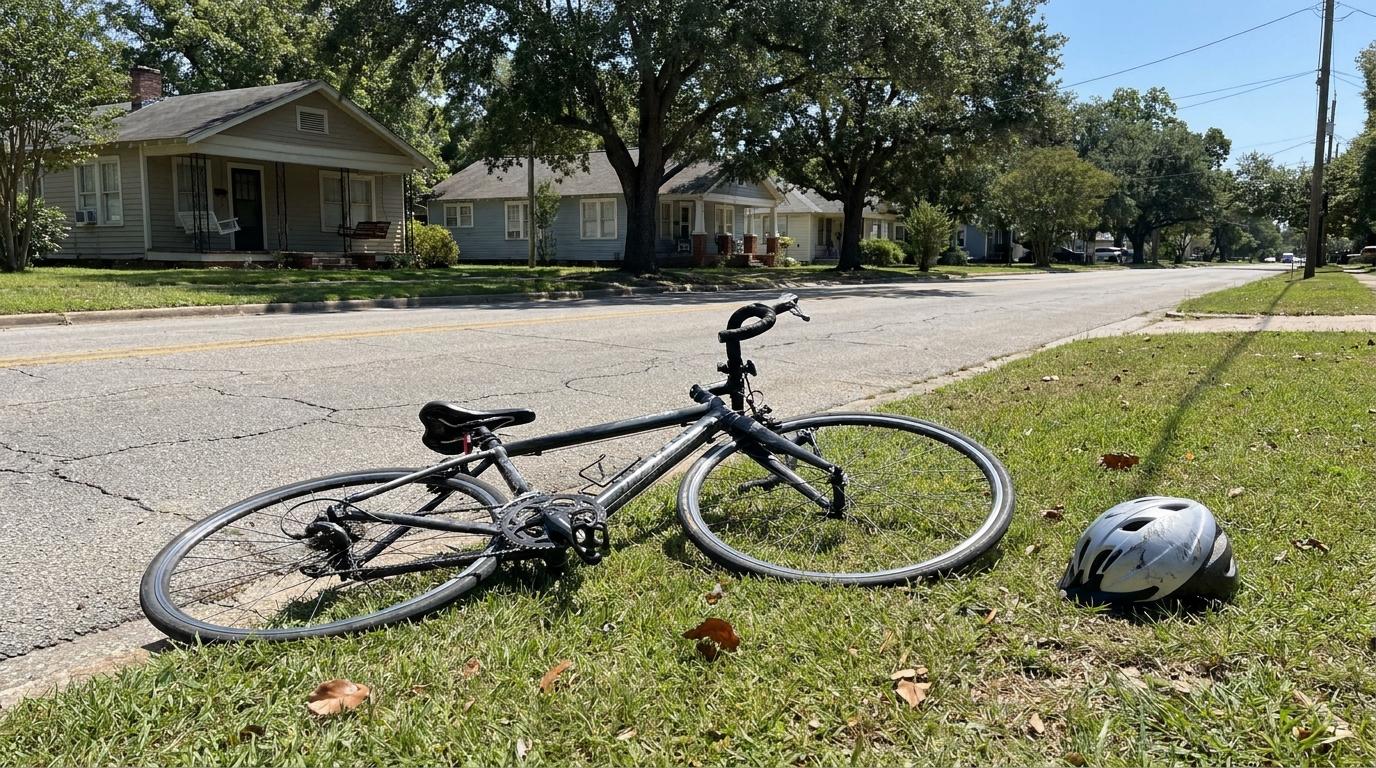
- 03. Keep your helmet and riding gear as they are. Damage to a helmet can show how the crash happened and where you were hit.
- 04. Take photos of your bike, the scene, any road defects and your injuries.
- 05. Get the crash report number from the agency that responded, such as Louisiana State Police or the local sheriff or police department.
- 06. Check your crash date against the filing deadline and the January 1, 2026 fault rule.
- 07. Read your own insurance policy. It may require you to cooperate with your own insurer, which is different from talking to the other driver's company.
Louisiana roads add their own wrinkles. Rough pavement, sudden afternoon rain and heavy traffic on stretches of I-10, I-12 and I-49 can all come up when insurers argue about speed and control. Those details can cut both ways, so it helps to note them early.
Helmet use is also a safety question, not just a legal one. NHTSA's motorcycle safety page explains how helmets lower the risk of serious head injury and what to look for in a helmet that meets federal standards. You can read the full text of Louisiana statutes and Civil Code articles on the Louisiana State Legislature's website.
If you were hurt in a motorcycle crash and have questions about your claim, you can contact Chris Corzo Injury Attorneys.
Frequently asked questions
Riding without a helmet is generally not legal in Louisiana. La. R.S. 32:190 requires motorcycle operators and passengers to wear an approved helmet, and breaking that rule can lead to a ticket. In an injury claim, the bigger issue is usually how an insurer may use the missing helmet to argue that your head injuries would have been less severe.
Partial fault does not automatically end a claim. Under Civil Code Article 2323, your recovery is generally reduced by your share of fault. For crashes on or after January 1, 2026, Act 15 of 2025 adds a cutoff: a rider found 51% or more at fault recovers nothing. Earlier crashes follow the older rule, which reduces recovery but does not bar it.
The filing deadline depends on when you were hurt. For injuries on or after July 1, 2024, Civil Code Article 3493.1, created by Act 423 of 2024, generally gives you two years. Injuries before that date generally fall under the older one-year period. Missing the deadline can end your claim, so it helps to check your dates early.
Giving a recorded statement to the other driver's insurer is generally your choice, not a requirement. Adjusters may ask about your speed, riding gear and helmet use, and your answers can be used to argue fault or reduce damages. Your own policy may require you to cooperate with your own insurer, so read it. Many riders get advice before any recorded call.
Sources