

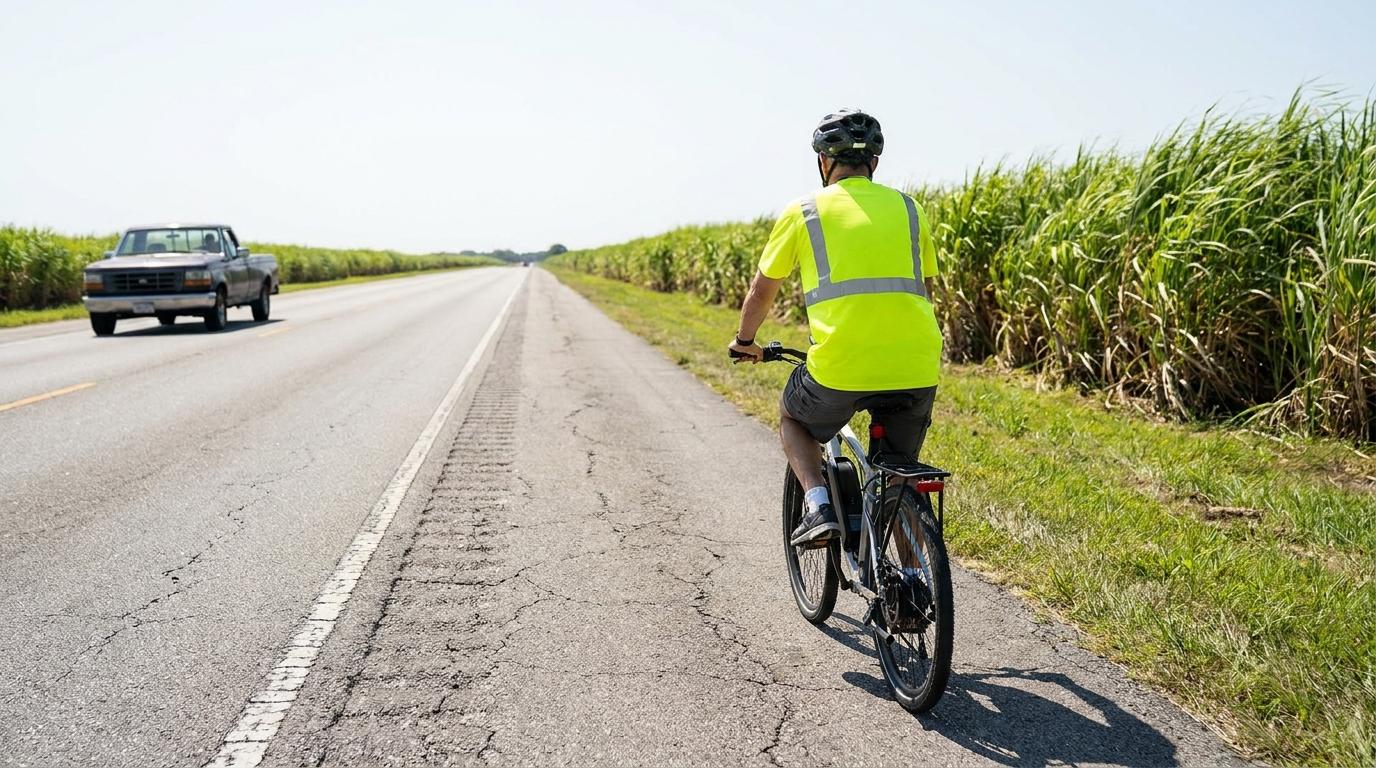
Generally, yes. Under Louisiana bike laws, a low-speed, pedal-assist e-bike is usually treated much like a regular bicycle. That means you may ride on many state and U.S. highways, but not where signs ban bicycles, such as interstates. On the highway, you have the same rights and duties as a driver, and drivers must give you room.
Can you ride an e-bike on a Louisiana highway?
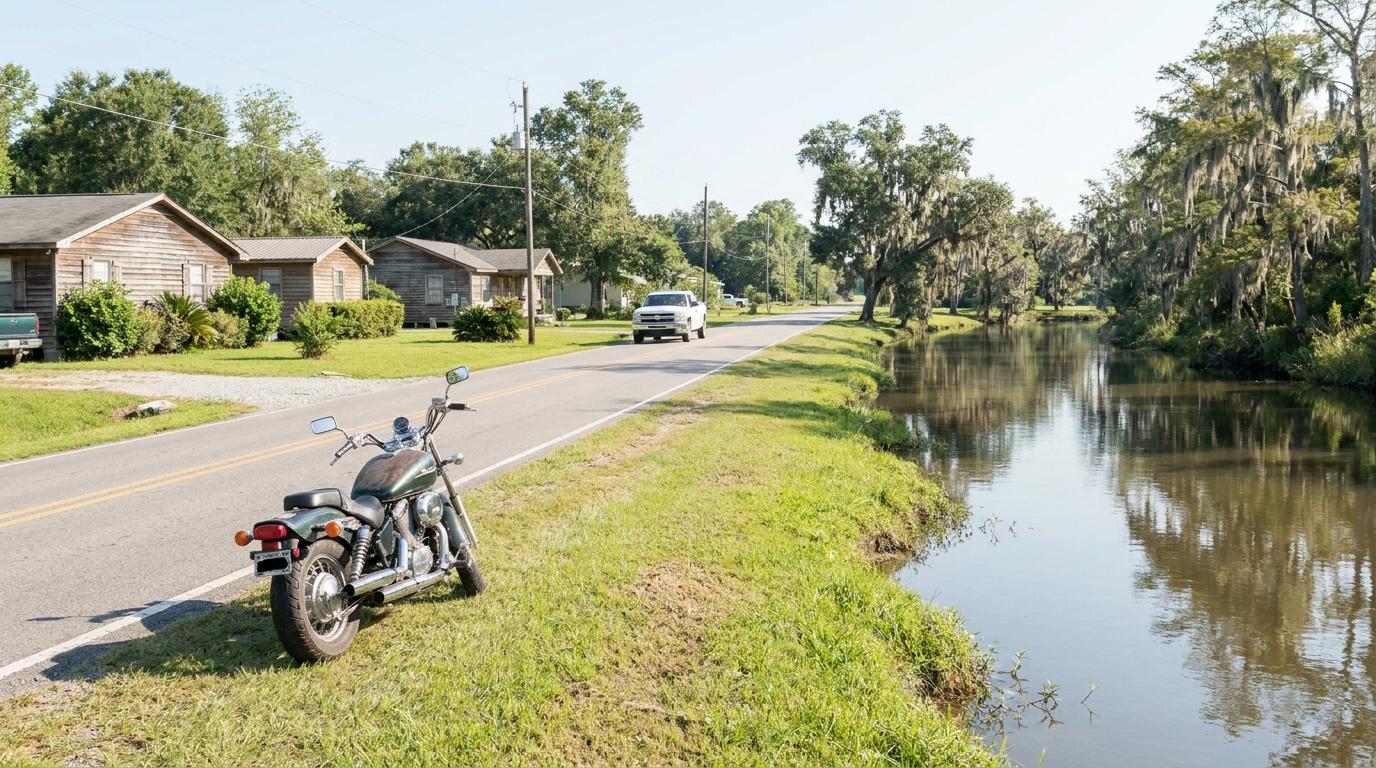
In most cases, yes, if your e-bike is a low-speed, pedal-assist model and no sign bans bicycles on that road. Interstates like I-10 and I-49 are generally off-limits to bikes. Many other highways are open to riders, but they can carry fast traffic.
How the law treats your e-bike depends on its motor and top speed. A faster machine, or one that runs without pedaling, may fall under different rules, such as those for mopeds or motor vehicles. Check your model's labels and specs before you ride on a highway.
Watch for freeway-style stretches. Parts of U.S. 90 between Lafayette and the New Orleans area are built like interstates, with on-ramps and overpasses, and posted signs there may ban bicycles. Other stretches have cross streets, but trucks still move at highway speed.
Under La. R.S. 32:194 (full text on the Louisiana Legislature's website), a person riding a bicycle on a highway has all the rights and duties of a vehicle driver. So you can use the lane, but you must also obey signals, signs and speed rules.
What do Louisiana bike laws require of riders and drivers?
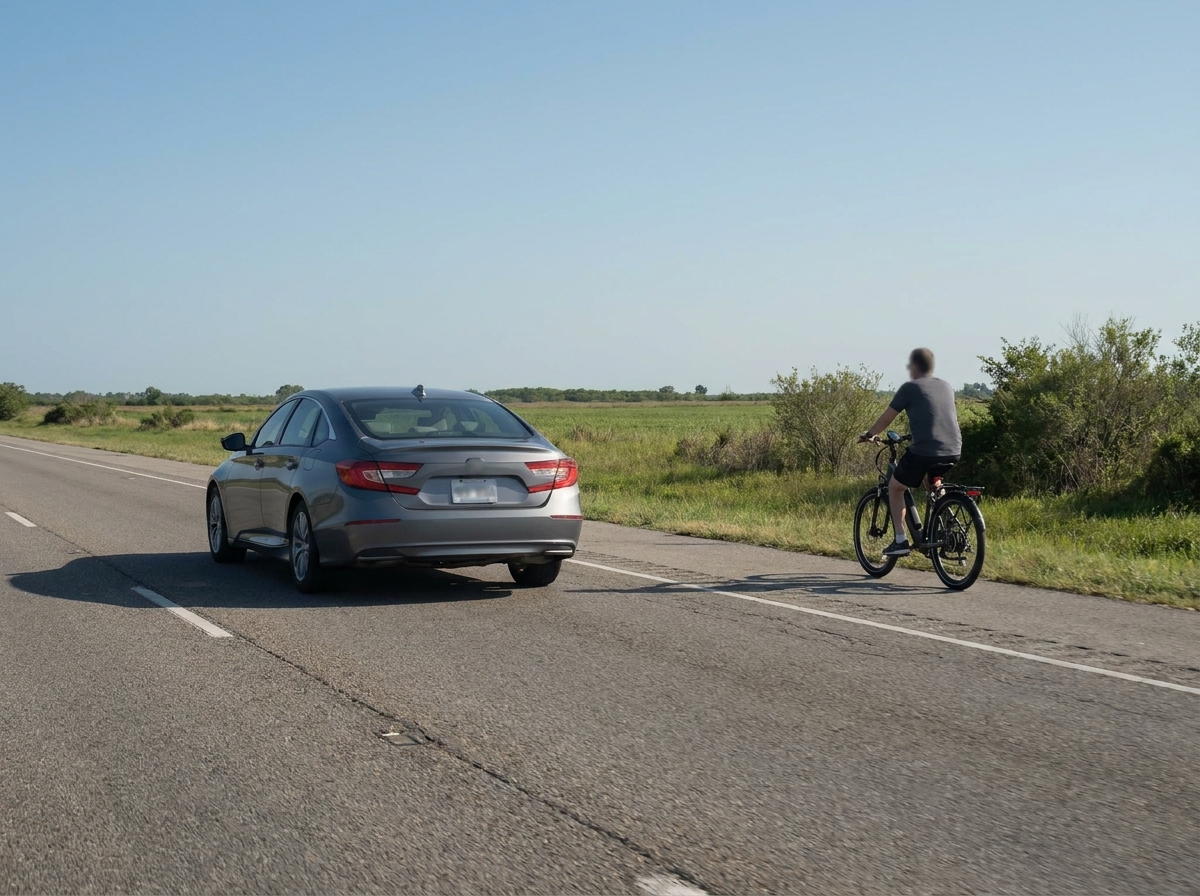
Riders must act like drivers, and drivers must share the road safely. Here are the basics most riders should know:
- 01. Ride in the same direction as traffic, as far right as is safe.
- 02. Obey stop signs, traffic lights and lane markings.
- 03. Use lights and reflectors when it is dark or hard to see.
- 04. Signal your turns and lane changes.
Drivers have duties too. Under La. R.S. 32:76.1, a driver passing a bicycle must leave at least three feet of space. On a busy four-lane road, that often means moving into the next lane to pass.
When you ride near fast traffic, small habits help. Wear bright clothing, use a mirror, and stay off the road edge where gravel and debris build up. A helmet is always a smart choice. For more tips, see NHTSA's bicycle safety guide.
What should you do after an e-bike crash with a car?
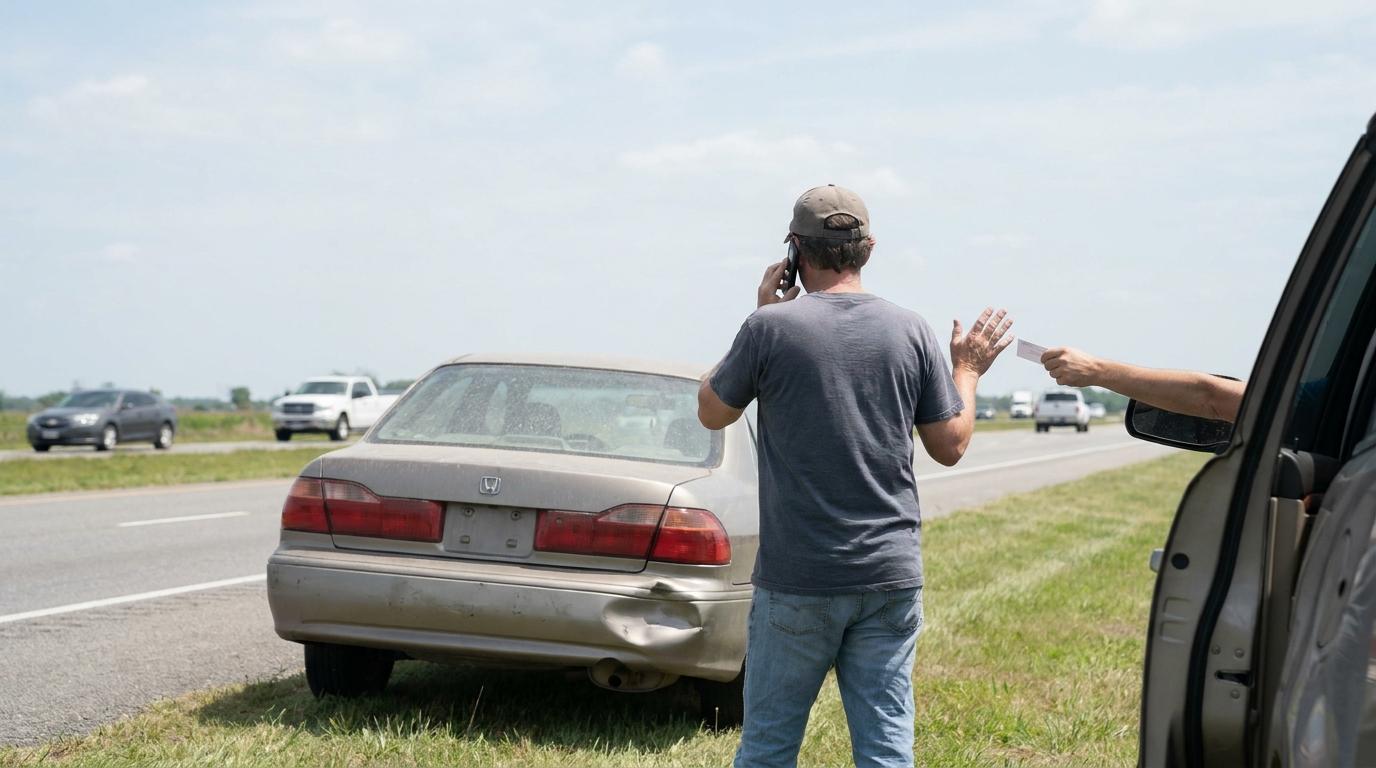
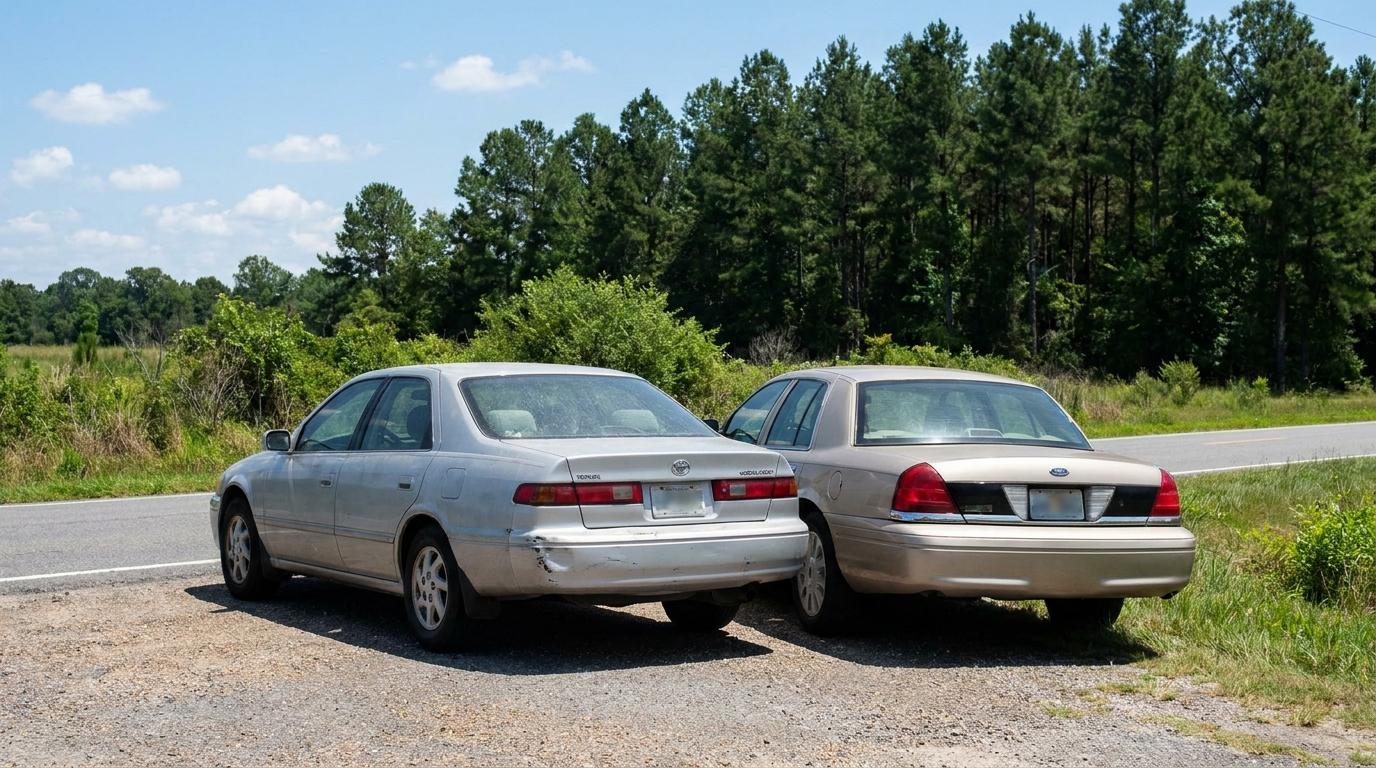
Get medical care first, then protect your claim by gathering facts and watching the deadline. A crash with a car or pickup can cause serious injuries even at moderate speed. These steps may help:
- 01. Call 911 so police can make a crash report.
- 02. Take photos of the scene, your e-bike and the vehicle.
- 03. Get the driver's name, insurance and plate number.
- 04. Keep your damaged e-bike and gear, and save medical records.
Watch the clock. For injuries on or after July 1, 2024, you generally have two years to file a lawsuit; for earlier injuries, it is still one year. This prescription period (Louisiana's word for a filing deadline) comes from Act 423 of 2024 and Civil Code Article 3493.1, both on legis.la.gov.
 Do I Have A Case?Answer a few quick questions about your accident.Check My Case
Fault also matters. For crashes on or after January 1, 2026, Act 15 of 2025 generally means a person 51% or more at fault recovers nothing. Below that, and for earlier crashes, any award is generally cut by your share of fault. Insurers may argue a rider was hard to see or riding in the wrong spot, so your evidence counts.
This is general information, not legal advice, and every case depends on its facts. Chris Corzo Injury Attorneys helps people across Louisiana who are hurt in bicycle and e-bike crashes.
If you have questions after an e-bike crash, contact Chris Corzo Injury Attorneys to talk about your situation.
Frequently asked questions
Interstates like I-10, I-12 and I-49 are generally closed to bicycles, and low-speed e-bikes are usually treated like bicycles. Look for posted signs at on-ramps, which often ban bikes and pedestrians. Instead, use state and U.S. highways or local roads where bicycles are allowed. A faster e-bike that counts as a motor vehicle may face different rules, so check how your model is classified.
Drivers in Louisiana must leave at least three feet when passing a bicycle, under La. R.S. 32:76.1. A low-speed e-bike rider is generally covered the same way. On a narrow lane, a driver may need to wait or move into the next lane to pass safely. Drivers who pass too close may be found at fault if a crash happens.
The deadline depends on the crash date. For injuries on or after July 1, 2024, Louisiana generally allows two years to file a lawsuit, under Act 423 of 2024 and Civil Code Article 3493.1. For injuries before that date, the deadline is still one year. Missing the deadline may end your right to recover, so mark the date early.
Partial fault does not always end a claim in Louisiana. Generally, any recovery is reduced by your share of fault. For crashes on or after January 1, 2026, Act 15 of 2025 generally means a person found 51% or more at fault recovers nothing. How fault is split depends on the facts, such as lighting, lane position and the driver's speed.
Sources