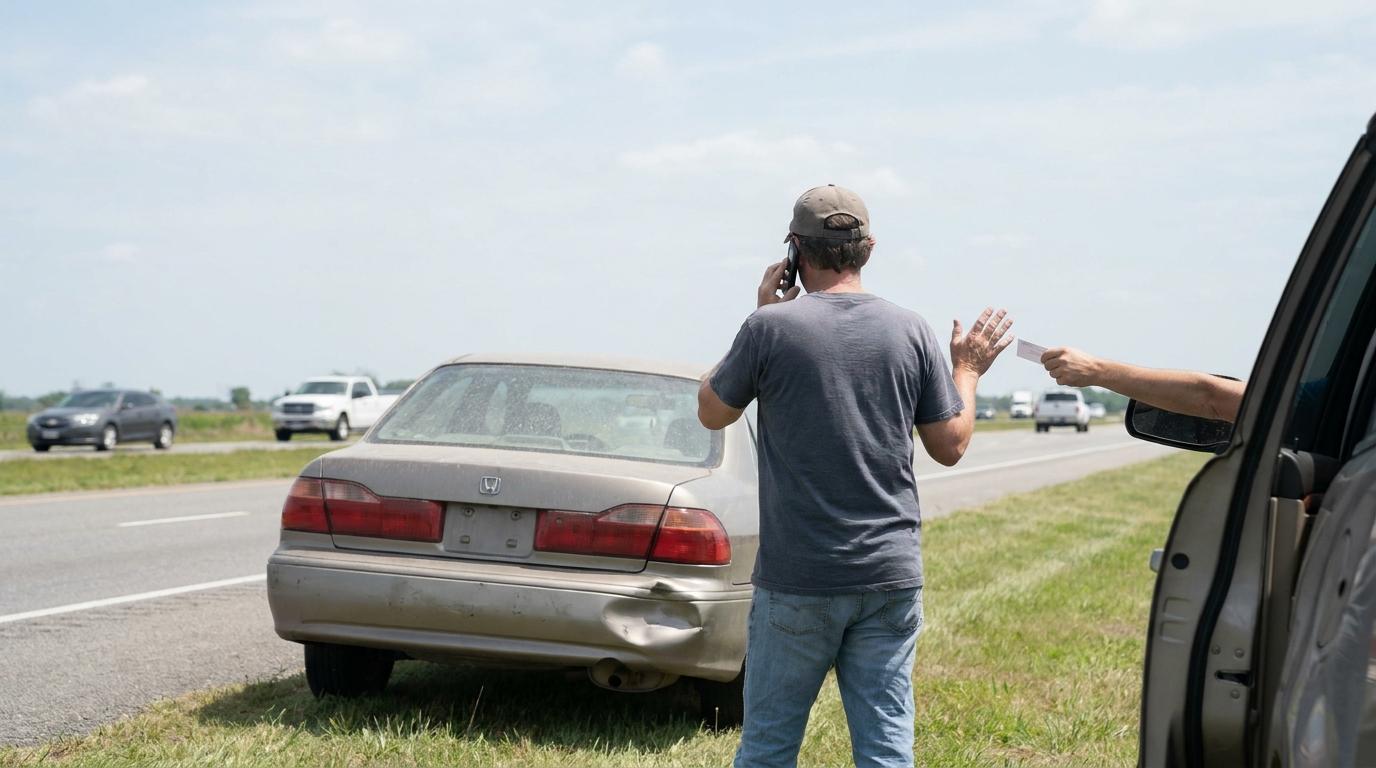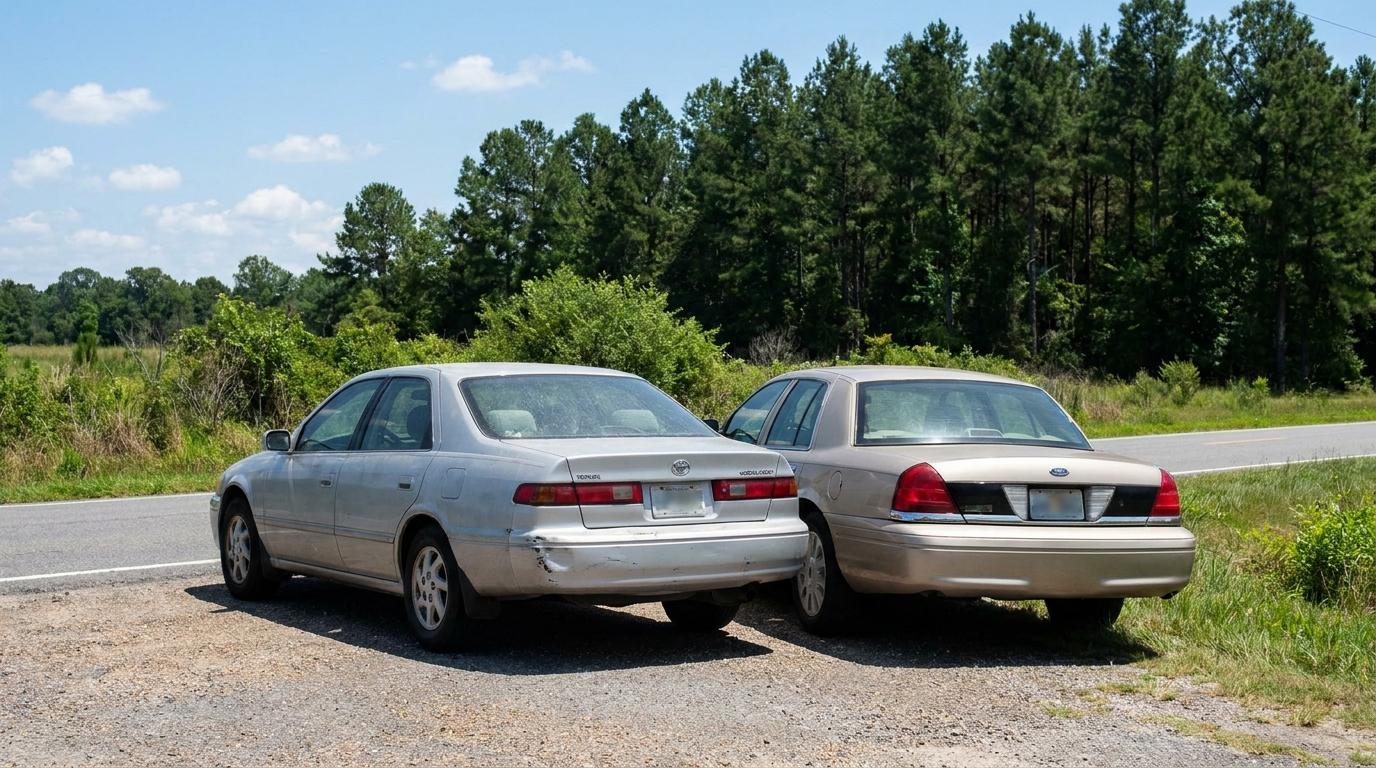


Generally, an insurance company accusing you of fraud after an accident in Louisiana is raising a question, not proving a case. Suspicion alone usually isn't enough to deny a valid claim, and Louisiana law expects insurers to act in good faith. Clear records, like medical notes, photos and the police report, are often your best answer.
Why do these fraud myths stick in Louisiana?
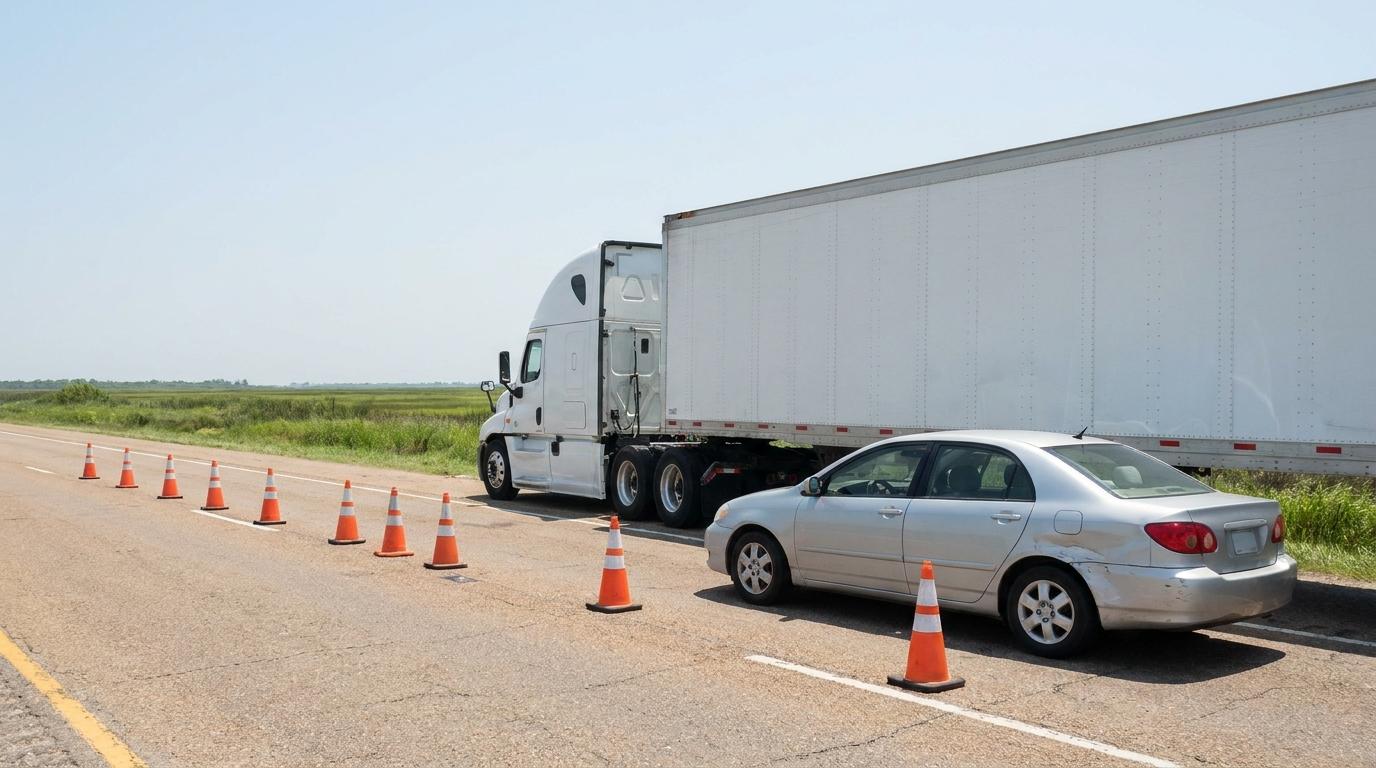
These myths stick because the news is real and close to home. A federal case in New Orleans involved people who staged crashes with big trucks to collect insurance money. At least one lawyer has been sentenced to prison. That makes honest drivers worry they will be lumped in with the scheme.
News coverage of the first attorney sentenced to prison in the New Orleans staged-crash scheme kept the story in front of many people. A story like that can shape how people think about every crash on I-10 or I-610. That holds whether the crash is a truck wreck or an ordinary car wreck.
Many people hurt in a real auto accident feel guilty before anyone has said a word. They wonder if asking for help will look suspicious. That fear is understandable, but it is often bigger than the actual risk. Most of what insurers do after a crash is routine.
What are the myths about an insurance company accusing you of fraud?
The most common myths are that insurers can deny a claim on a hunch, that routine questions mean you are a suspect, and that a late doctor visit or a lawyer looks guilty. Each one mixes a little truth with a lot of fear. Here they are, one by one.
Myth: The insurer can deny my claim just because it suspects fraud.
Fact: An insurer may investigate, but it generally needs a real reason to deny a claim. La. R.S. 22:1892 covers paying claims on time once the insurer has satisfactory proof of loss (enough information to show what is owed). La. R.S. 22:1973 sets a duty of good faith and fair dealing.
If an insurer denies a claim without good reason, it may face penalties under those laws. Which rules apply can depend on whether it's your own insurer or the other driver's, and on the facts. You can read the statutes yourself on the Louisiana State Legislature website.
Myth: If they want a recorded statement, I'm a suspect.
Fact: Recorded statements are a normal part of claims handling. Adjusters ask for them in many claims, fraud or not. Still, you generally do not have to give one to the other driver's insurer right away.
It can help to get advice before you talk. Small mistakes in a stressful call can later be framed as "changing your story."
Myth: A fraud investigation means police will show up.
Fact: Most insurer reviews are quiet and paper-based. A typical review may include:
- Asking for medical records and bills
- Comparing photos with vehicle damage
- Pulling the police report and any dashcam or truck camera footage
- Checking public social media posts
- In some cases, an examination under oath (a formal, sworn interview your own policy may require)
Insurers can send serious concerns to state officials. The Louisiana Department of Insurance oversees insurers and accepts fraud reports. Being reviewed is not the same as being accused of a crime.
Myth: Seeing a doctor a few days later makes it look fake.
Fact: A delay does not prove fraud. Some injuries, like neck or back pain, can show up a day or two later. But a gap in treatment is one of the first things insurers point to.
 Do I Have A Case?Answer a few quick questions about your accident.Check My Case
The safest move is to get checked soon and tell the doctor exactly what hurts. Then follow the care plan and keep your appointments.
Myth: Hiring a lawyer makes me look guilty.
Fact: Having a lawyer is legal and common. The staged-crash case was about people who broke the law, not about injured people getting help. Insurers deal with people who have lawyers every day.
Myth: Big truck crash claims get so much scrutiny that I'll never be paid.
Fact: Scrutiny is real, but it doesn't erase good evidence. Trucking companies and their insurers often move fast after a wreck and may send investigators to the scene quickly. Your own records still count, and results depend on the facts of each case.
What's actually true about insurance fraud accusations in Louisiana?
What's true is simple: insurers can ask questions, and you can answer them with evidence. A consistent, well-documented claim is the strongest response to a fraud worry. These steps can help after any car wreck, auto accident or truck crash:
- 01. Call the police. Ask for the report number before you leave the scene.
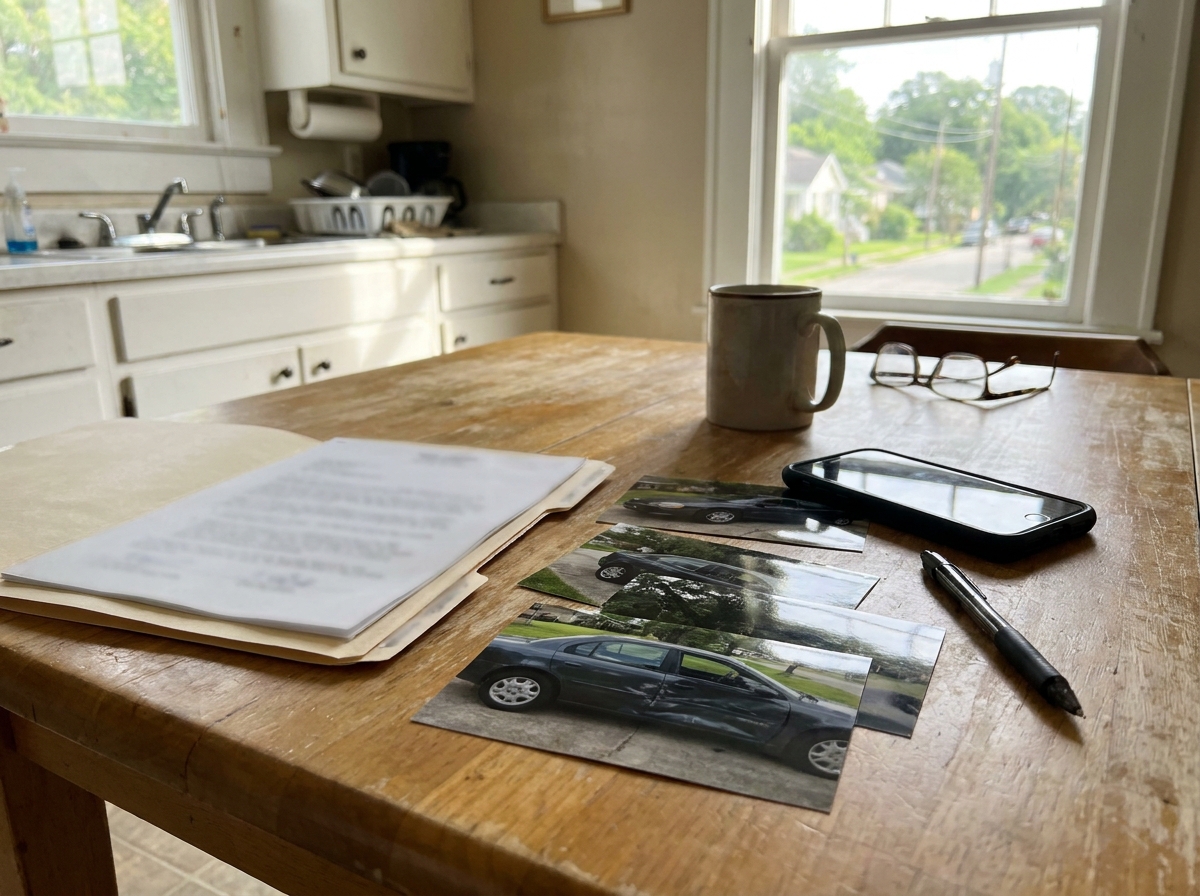
- 02. Take photos. Get the vehicles, the road, skid marks, truck or plate numbers and your injuries.
- 03. See a doctor soon. Describe every symptom, even ones that seem minor.
- 04. Keep your story the same. Tell the police, doctors and insurers the same facts.
- 05. Save everything. Keep bills, receipts, repair estimates and time-off records.
- 06. Watch what you post. Insurers may read public social media.
- 07. Don't guess. If you don't know an answer, say so instead of filling in details.
Deadlines matter even while an insurer is reviewing your claim. Louisiana calls its filing deadline prescription. For injuries on or after July 1, 2024, you generally have two years to file suit under Civil Code Article 3493.1 (Act 423 of 2024). Injuries before that date generally had one year, and an insurer's slow review does not usually pause the clock.
Fault and damages rules are changing too. For accidents on or after January 1, 2026, Act 15 of 2025 changed Civil Code Article 2323 so that a person found 51% or more at fault generally recovers nothing. Act 466 of 2025 also limits past medical expenses to amounts actually paid, starting the same date. That is one more reason to keep clear records of what happened and what you paid.
Honest claims backed by careful records are easier to support, but every outcome depends on its own facts. This article is general information, not legal advice.
If you have questions about an accident claim anywhere in Louisiana, you can contact Chris Corzo Injury Attorneys.
Frequently asked questions
An insurance company can investigate a claim it finds suspicious, but suspicion alone is generally not enough to deny a valid claim. Louisiana law, including La. R.S. 22:1892 and La. R.S. 22:1973, sets duties for insurers to pay on time after proof and to deal in good faith. An unfair denial may lead to penalties, depending on the facts and on which insurer is involved.
A fraud investigation is usually quiet and based on paperwork. The insurer may request medical records, compare photos with vehicle damage, review the police report and any dashcam footage, and check public social media. Under your own policy, it may ask for a sworn interview called an examination under oath. Being reviewed is not the same as being charged with a crime.
Recorded statements are routine, but you generally don't have to give one to the other driver's insurer right away. Small mistakes made in a stressful call can later be used to suggest your story changed. Many people choose to get advice first. Whatever you say, stick to facts you know and avoid guessing about speed, distance or your injuries.
Louisiana's filing deadline is generally two years for injuries on or after July 1, 2024, under Civil Code Article 3493.1, added by Act 423 of 2024. Injuries before that date generally fall under the older one-year rule. An insurer's ongoing review or fraud questions usually do not pause the deadline, so waiting for the insurer to finish can be risky.
Sources