
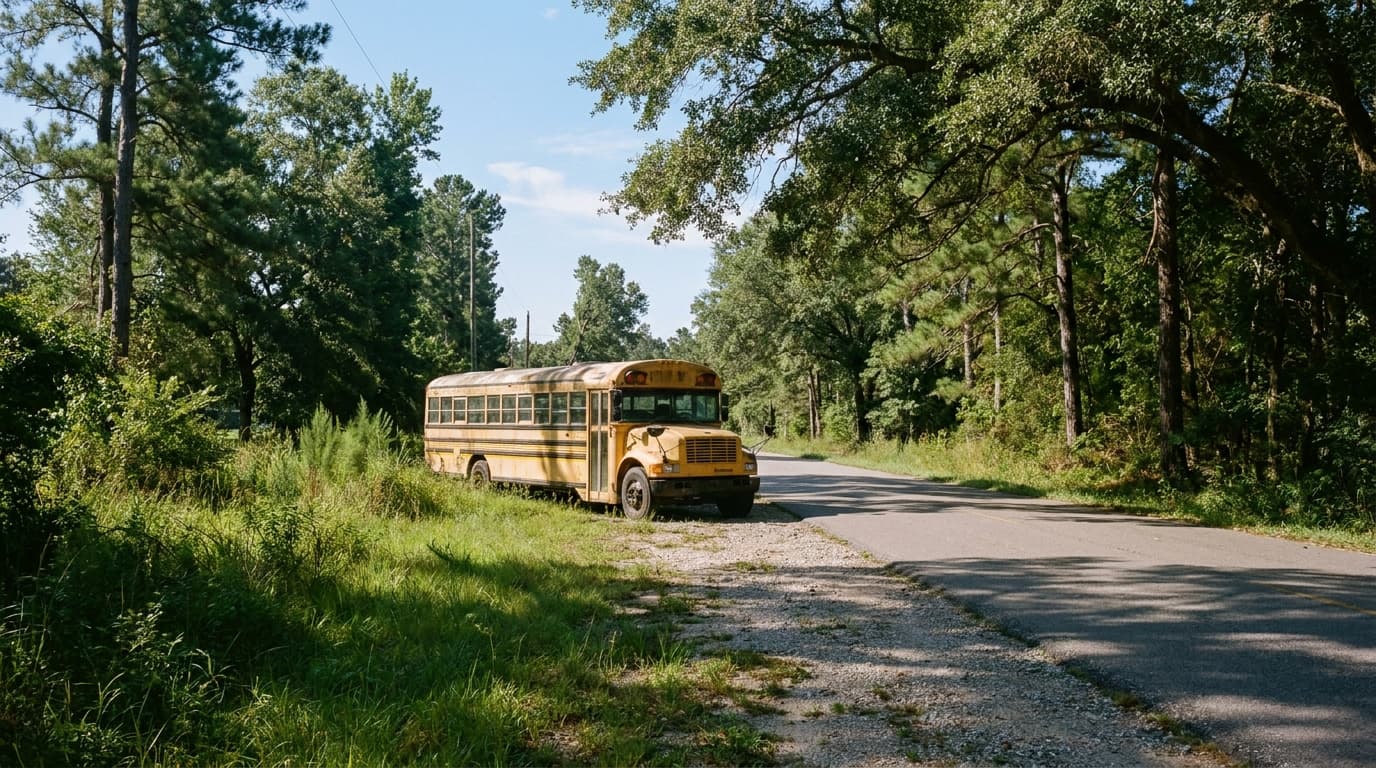
In many cases, the school board that runs the bus is liable for a school bus accident in Louisiana, because it generally answers for its driver's mistakes. But a private bus contractor, another driver, a repair shop or a parts maker may share the blame. Who pays depends on what caused the crash and who employed the driver.
Who is liable for a school bus accident in Louisiana?
The person or company whose carelessness caused the crash is usually liable. When the bus driver is at fault, the driver's employer, often the parish school board, generally answers for that mistake. When someone else causes the crash, that person and their insurer may be responsible instead.
Many bus crashes involve more than one possible party. A single wreck on a busy road can involve the bus, a pickup truck, a poorly kept bus and a bad intersection. Each one can point to a different party.
Here is how responsibility often breaks down:
| What caused the crash | Who may be liable | Why |
|---|---|---|
| Bus driver speeding, distracted or tired | School board or bus contractor (the employer) | Employers generally answer for workers on the job |
| Another driver ran a light or rear-ended the bus | The other driver and their auto insurer | Their own careless driving caused the harm |
| Worn brakes or skipped repairs | School board, contractor or repair shop | Whoever was in charge of upkeep |
| A defective part, like a faulty door or seat | The maker or seller of the part | Louisiana product liability law |
| A dangerous road or missing sign | Possibly the public body in charge of the road | Depends on what the agency knew and when |
The table is a starting point, not a final answer. The facts of each crash decide who is responsible, and fault is often shared.
What usually happens after a school bus crash?
Usually, police and emergency crews respond, children are checked for injuries, and the school contacts parents. A police crash report is written. Then insurance companies and the district start their own reviews, often within days.
Parents often learn about the crash from a phone call, a text alert or a child's message. In the first hours, the focus is rightly on getting kids home or to a doctor. But a lot happens behind the scenes quickly.
Here is what often unfolds:
- Police investigate. Local police, the parish sheriff or Louisiana State Police may write the crash report, depending on where the wreck happened.
- The district reviews it. Districts often pull bus camera video, GPS data and the driver's records.
- Insurers get involved. The school board's insurer or risk office, and any other driver's insurer, may reach out to families. Their early calls are often aimed at gathering information, so it generally helps to keep your answers short and stick to what you know.
- Injuries show up over time. Some children seem fine at the scene but complain of neck pain, headaches or trouble sleeping days later.
Buses are big and heavy, so the people inside often fare better than those in a smaller car. The National Highway Traffic Safety Administration (NHTSA) describes school buses as the safest way for students to get to school. Still, rollovers, side impacts and sudden stops can hurt children, especially those standing or not seated properly.
In Louisiana, many routes run along two-lane rural highways, through busy corridors near I-10, I-12 and I-49, and across roads where morning fog can be heavy in some parishes. Those conditions can play a part in how a crash happens and who is at fault.
How does Louisiana law decide who is at fault?
Louisiana law generally makes anyone who causes harm through fault pay for it. Employers usually answer for workers on the job. When several parties share blame, each generally pays its share, and from 2026 a person found mostly at fault can recover nothing.
The basic rule is Civil Code Article 2315, which says a person whose fault causes damage to another must repair it. You can read the Civil Code on the Louisiana State Legislature's law database. This rule is the starting point for almost every injury claim in the state.
A second rule matters a lot for buses. Civil Code Article 2320 makes employers answer for harm their employees cause while doing their jobs. This is called vicarious liability, which simply means one party is responsible for another's actions. So if a district's bus driver runs a stop sign on a route, the school board is generally on the hook, not just the driver.
Shared fault and the 2026 change
Louisiana splits blame by percentage under Civil Code Article 2323. This is called comparative fault. If a judge or jury finds another driver 70% at fault and the bus driver 30% at fault, each generally pays its own share.
The rules changed with Act 15 of 2025. For crashes on or after January 1, 2026, a person found 51% or more at fault recovers nothing. Before that date, a person could recover even if mostly at fault, just reduced by their share. Children riding as passengers usually have little control over a crash, but this rule can matter for a parent driving a car that collides with a bus.
Another 2025 change, Act 466, took effect January 1, 2026. It generally limits recovery for past medical bills to the amounts actually paid, rather than the amounts first billed. Whether it applies can depend on when the crash happened, so it is worth asking how it affects your claim.
Drivers who pass a stopped school bus
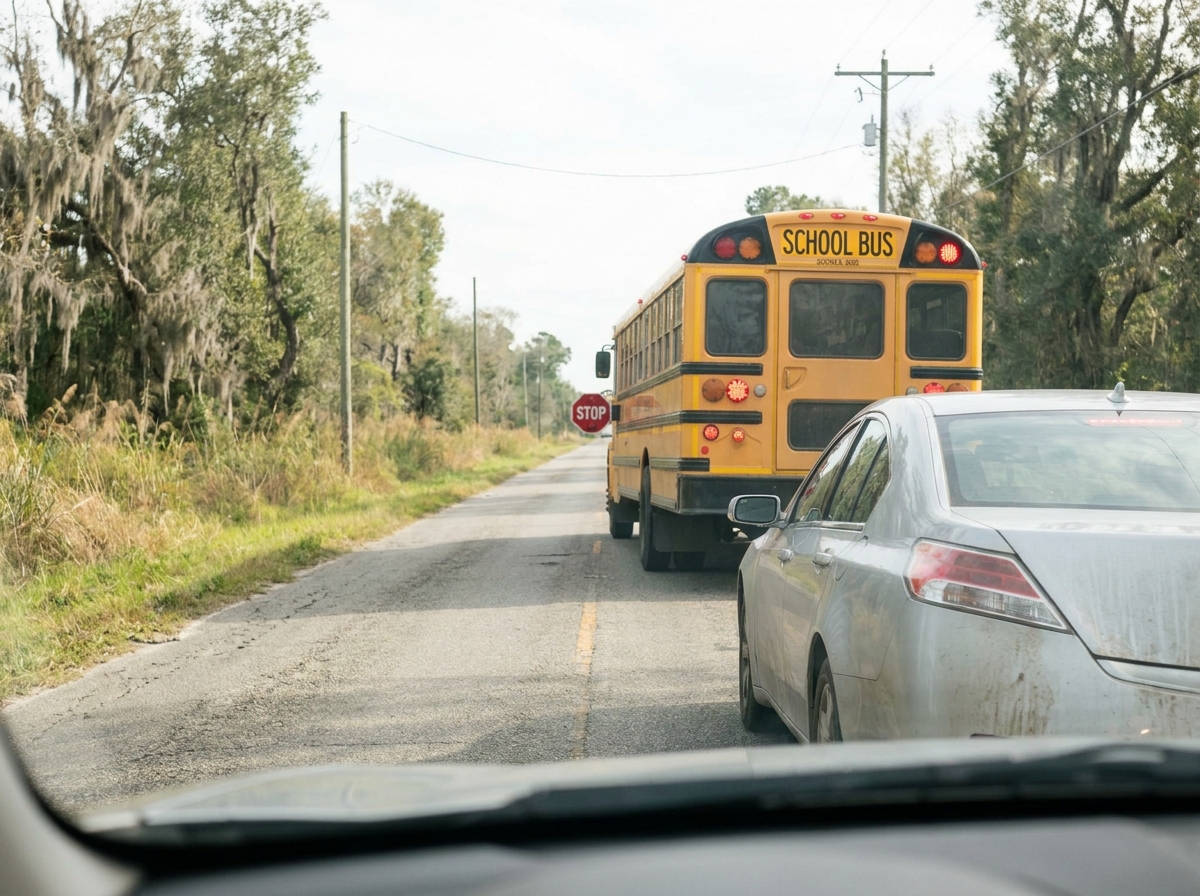
Some of the most serious injuries happen outside the bus, when children are getting on or off. La. R.S. 32:80 requires drivers to stop when a school bus is stopped with its red lights flashing and its stop arm out. A driver who ignores that law and hits a child may be held liable, and breaking a safety law can be evidence of carelessness, depending on the facts.
When the bus company is private
Some Louisiana districts may use private contractors, or drivers who operate buses under a contract. In those cases, the contractor's insurance may be the first to respond. The contract between the district and the company can also shape who pays, and both may share responsibility depending on the facts.
What changes when a school board or public body is involved?
Claims against a public school board, parish or state agency follow special rules. Generally, there is no jury trial, some damages are capped, and payment of a judgment can depend on government funding. The filing deadline still applies, so waiting can cost you the claim.
A parish school board is a political subdivision, which means a local government body. Louisiana has a set of laws for suits against these bodies, and they differ from a claim against a private driver.
Key differences include:
- 01. No jury, as a rule. La. R.S. 13:5105 generally says suits against the state or a political subdivision are tried by a judge, not a jury, unless the public body waives that right.
- 02. Caps on some damages. La. R.S. 13:5106 limits general damages, such as pain and suffering, in suits against public bodies. Medical costs are treated differently, and the details depend on the case.
- 03. Paying a judgment. Under the Louisiana Constitution, Article XII, Section 10, a judgment against a public body is paid from money the government sets aside for it. That can mean delays even after a case ends.
The filing deadline
Louisiana calls its filing deadline prescription. For injuries on or after July 1, 2024, Act 423 of 2024 created Civil Code Article 3493.1, which generally gives two years from the date of the injury to file suit. For injuries before July 1, 2024, the older one-year deadline still applies.
Do not assume the deadline waits until your child turns 18. In Louisiana, the clock can run against a minor's claim, so parents usually need to act on the child's behalf. Talking with a lawyer early is the safest way to know your exact date.
What should parents do after a school bus accident, step by step?
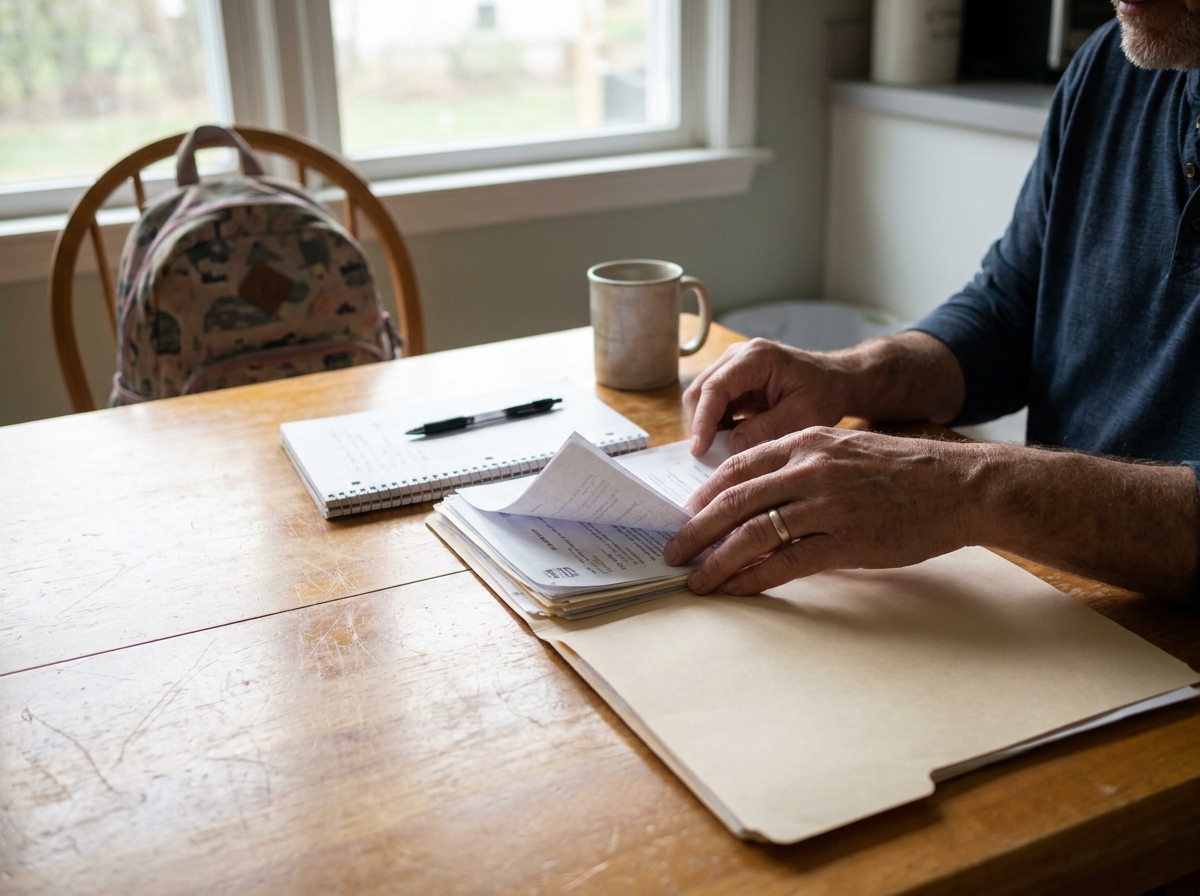
Get your child checked by a doctor, write down what you know, and save every record. Then request the crash report, ask the district in writing to keep video and records, and avoid signing anything from an insurer until you understand it.
Here is a checklist you can follow:
- 01. Get a medical exam, even if your child seems fine. Kids may not describe pain well, and head or neck injuries can appear later. Keep every visit note and bill.
- 02. Write down your child's account. Ask open questions soon after: where they sat, what they saw, whether the bus swerved or stopped hard. Note the date and time you wrote it.
- 03. Collect names. Write down the bus number, route, driver's name if known, and other parents whose children were aboard.
- 04. Get the crash report. Ask the police agency that responded how to request a copy. It often lists drivers, insurers and witness names.
- 05. Ask for evidence to be kept. Send a short letter or email asking the district to keep bus camera video, GPS data, maintenance logs and the driver's records. Some systems record over video after a set time.
- 06. Use public records law if needed. Louisiana's Public Records Law, La. R.S. 44:1 and the sections after it, lets people request many government records, though some student and investigative records may be withheld.
- 07. Take photos. Photograph visible injuries, damaged clothing or backpacks, and the crash site if it's safe.
- 08. Track daily effects. Note missed school days, therapy sessions, nightmares, sports your child had to skip, and work you missed to care for them.
- 09. Be careful with insurers. You can share basic facts, but you don't have to give a recorded statement or sign a release right away.
- 10. Watch the calendar. Mark the filing deadline, generally two years for crashes on or after July 1, 2024, and plan well ahead of it.
Writing things down early is one of the most useful things a parent can do. Memories fade fast, and children's details can blur within days.
What mistakes can hurt a school bus injury claim?
The most common mistakes are skipping a doctor visit, waiting too long, signing a quick release and losing evidence. Posting about the crash online and guessing about fault can also cause problems later.
These are the missteps families often regret:
- Skipping medical care. A gap between the crash and the first doctor visit can make it harder to link the injury to the wreck.
- Signing a release too soon. A release usually ends the claim for good, even if your child's injury turns out worse than it first looked.
- Assuming the district will handle it. The district has its own interests, and its insurer's job is to protect the district.
- Letting evidence disappear. Bus video, GPS data and maintenance records may not be kept forever unless someone asks.
- Only looking at the bus driver. Another driver, a contractor or a parts maker may also share responsibility, and each may have separate insurance.
- Posting on social media. Photos of a child playing or comments about the crash can be taken out of context.
- Missing the deadline. A late claim is usually lost no matter how strong it is. Public body rules don't stretch the prescription period.
Families sometimes hold back because they don't want to cause trouble for a driver their child likes or a school they trust. That's understandable. A claim is often paid by insurance or a risk fund, and its purpose is to cover your child's care and losses.
What are your next steps?
Focus first on your child's health, then gather records and protect the deadline. If the crash involved a public school board, a contractor or more than one vehicle, getting advice early can help you understand who may be responsible.
Every bus crash is different. The answer to who is liable depends on the facts: who drove, who maintained the bus, who else was on the road and when it happened. The 2024 and 2026 law changes also mean the date of the crash can change the rules that apply.
To talk through your child's situation, contact Chris Corzo Injury Attorneys.
Frequently asked questions
Families can generally bring an injury claim against a parish school board when its driver or its bus upkeep caused the crash. Claims against public bodies follow special rules in Louisiana. A judge, not a jury, usually decides the case, and some damages are capped under La. R.S. 13:5106. The usual filing deadline still applies, so acting early matters.
Louisiana's filing deadline, called prescription, is generally two years for injuries on or after July 1, 2024, under Civil Code Article 3493.1. Injuries before that date generally fall under the older one-year rule. Parents should not assume the clock waits until a child turns 18, because prescription can run against a minor's claim. A lawyer can confirm the exact date.
The other driver and their auto insurer may be responsible when their careless driving caused the crash, such as running a red light or rear-ending the bus. Louisiana splits fault by percentage, so the school board may share blame if the bus driver also made a mistake. Each party generally pays its own share of the damages, depending on the facts.
A medical exam is a good idea even when a child seems unhurt. Children may not explain pain clearly, and injuries to the head, neck or back can show up hours or days later. A prompt visit protects your child's health and also creates a record linking any injury to the crash, which can matter if a claim is made.
Sources