

It depends on what each person did in the moments before the crash. When a pedestrian is hit by a car at night in Louisiana, fault is usually split by percentage under Civil Code Article 2323. Lighting, crosswalks, driver speed and attention, and where the person was walking all matter.
Why do myths about nighttime pedestrian crashes stick?
These myths stick because the first story told after a crash is often incomplete. Darkness limits what witnesses saw, the injured person may not remember much, and the driver's version is often the first one written down.
Think about how a news story reads. When a pedestrian is killed on a Friday night in a town like Jennings, in Jefferson Davis Parish, people quickly ask where the walker was and what they were wearing. Fewer people ask how fast the car was going or whether the driver was looking at a phone.
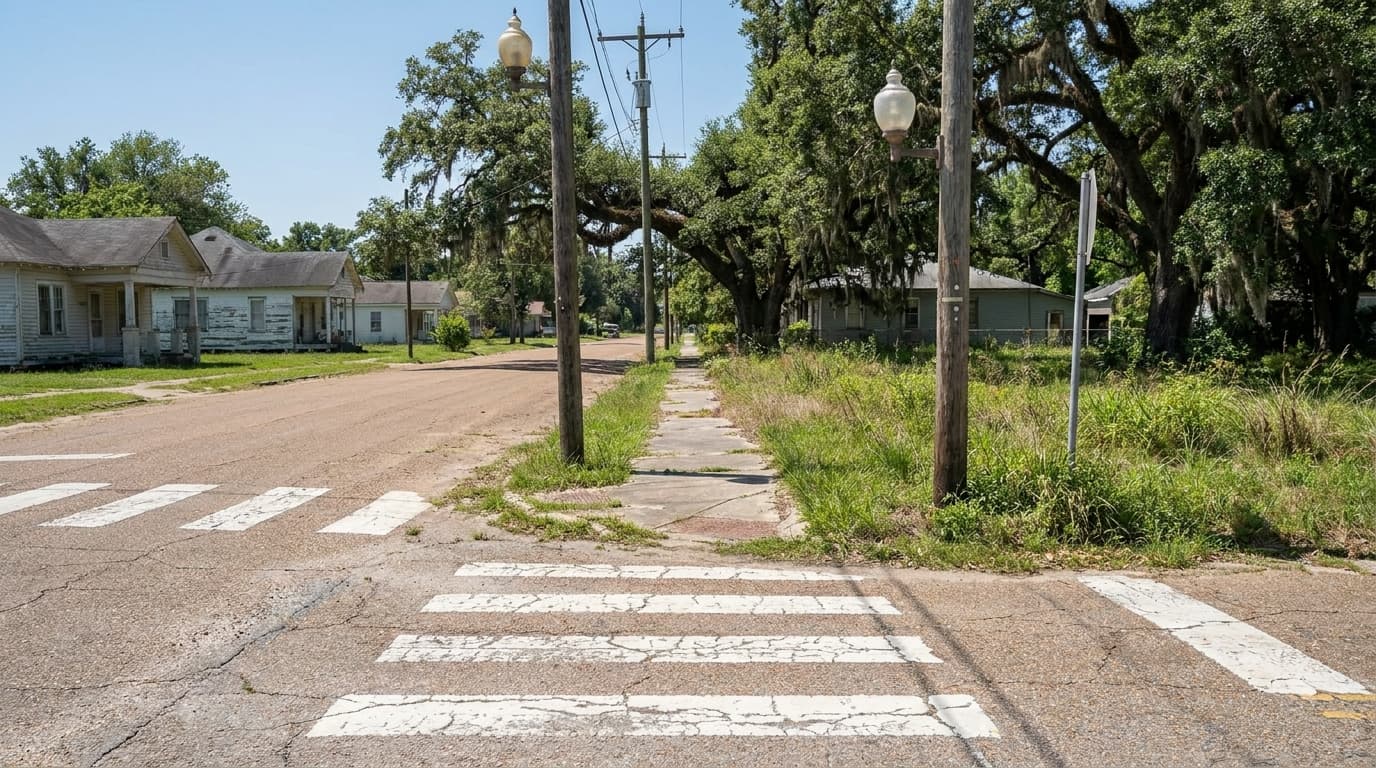
Night crashes are not rare. The National Highway Traffic Safety Administration's pedestrian safety page notes that most pedestrian deaths happen in the dark. Many small Louisiana towns also have stretches of road with no sidewalks and few streetlights, so walking on the shoulder is sometimes the only choice.
Insurance adjusters know these gaps exist. Shifting blame to the walker can lower what an insurer pays, so it helps to know which common beliefs don't match the law.
What are the common myths about pedestrian fault at night?
The most common myths treat one detail, like a missing crosswalk or dark clothing, as the whole answer. Louisiana law looks at the full picture and can assign a share of fault to each person. Here is how five popular beliefs hold up.
Myth: If you weren't in a crosswalk, the crash is your fault.
Fact: Not automatically. Under La. R.S. 32:213, a person crossing outside a marked crosswalk or intersection generally must yield to cars. But La. R.S. 32:214 still requires drivers to use due care (reasonable caution) to avoid hitting a pedestrian, so both rules can apply to the same crash.
Myth: Dark clothing means you are to blame.
Fact: Clothing is one factor, not the final word. Drivers are expected to use headlights, watch the road, and drive at a speed that lets them stop for what their lights show. A driver who was speeding, distracted or impaired may carry much of the fault, even if the walker wore dark clothes.
Myth: The police report decides who is at fault.
Fact: A police report is important evidence, but it is not the final decision. Officers usually arrive after the car wreck is over and rely on what people tell them. Insurers and courts can weigh photos, video, witness statements and physical evidence too.
Myth: If you're partly at fault, you get nothing.
Fact: Usually not, but a 2025 change matters. Under comparative fault (splitting blame by percentage) in Civil Code Article 2323, your recovery is generally reduced by your share. For example, if you are found 20% at fault, your damages may be cut by 20%.
Act 15 of 2025 changed this rule starting January 1, 2026. A person found 51% or more at fault generally recovers nothing. The change generally applies to crashes on or after that date, while older crashes generally follow the old rule, so the crash date matters.
Myth: You have plenty of time to decide what to do.
Fact: Time limits are short. Louisiana calls its filing deadline prescription. Under Civil Code Article 3493.1 (Act 423 of 2024), the deadline is generally 2 years from the date of injury for injuries on or after July 1, 2024, and still 1 year for injuries before that date.
What's actually true about who is at fault in a night pedestrian crash?
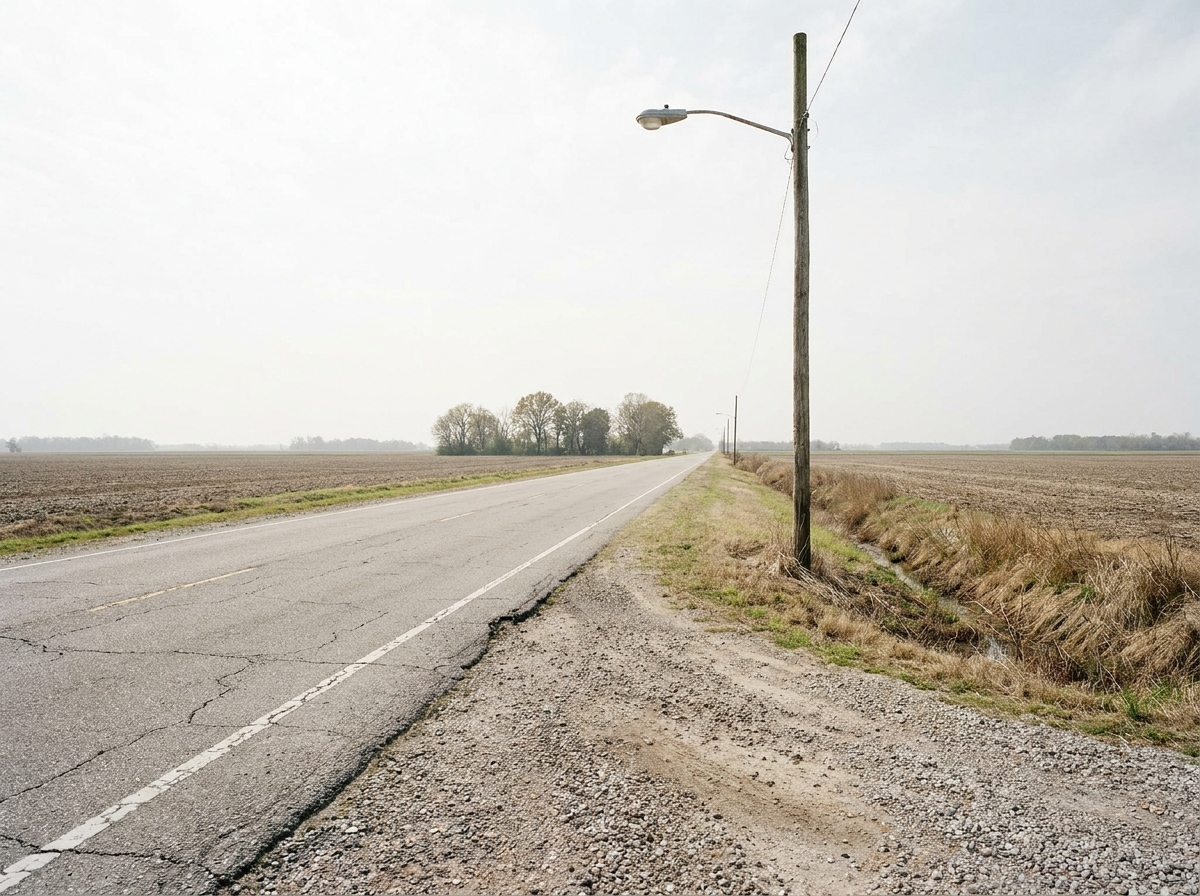
In most cases, fault comes down to evidence about what each person could see and do. Insurers look at lighting, crosswalks, clothing and road layout. They also look at driver speed, phone use, headlights and whether the driver had time to react.
No single detail settles the question. A walker on a dark rural road shoulder and a driver going 15 miles over the limit may both share fault. The percentage each person carries is what changes the outcome.
What evidence can help show what really happened?
Evidence collected early often tells a clearer story than memory. If you can, or if a family member can help, try to gather these:
- 01. Photos of the scene taken soon after, showing streetlights, shadows, crosswalks and sidewalks.
- 02. Names and phone numbers of witnesses, including other drivers and nearby residents.
- 03. Video from nearby homes, gas stations, stores or traffic cameras, which may be erased within days.
- 04. The police report number and the agency that responded, such as a city police department, parish sheriff or Louisiana State Police.
- 05. Medical records from the ER visit and every follow-up appointment.
- 06. The clothes and shoes you were wearing, kept as they are.
A return trip to the scene at the same time of night can also show how dark the road really is. Lighting can look very different in a daytime photo.
What can you do next?
Start by getting medical care and keeping every record. Be careful when talking to the driver's insurer, since a quick recorded statement can be used to shift blame onto you. Write down what you remember while it's fresh.
Chris Corzo Injury Attorneys helps people across Louisiana who were hurt while walking, including in nighttime pedestrian crashes. Even if you never call a law firm, knowing these facts can help you push back when someone says the crash was all your fault.
To talk about a crash like this, you can contact Chris Corzo Injury Attorneys.
Frequently asked questions
A pedestrian can be found partly or mostly at fault, depending on the facts. Louisiana splits blame by percentage under Civil Code Article 2323. Crossing outside a crosswalk, walking with traffic, or stepping suddenly into the road may add to a walker's share. The driver's speed, attention, headlight use and ability to react still count, so blame is often shared.
Dark clothing may be raised by an insurer, but it is only one factor in deciding fault. Drivers are still expected to watch the road, use headlights and drive at a speed that lets them stop for what they can see. A distracted, speeding or impaired driver may carry much of the blame even when the walker wore dark clothes.
Louisiana's filing deadline, called prescription, is generally 2 years from the date of injury for injuries on or after July 1, 2024, under Civil Code Article 3493.1 (Act 423 of 2024). Injuries before that date generally kept the older 1-year deadline. Missing the deadline can end a claim, so checking the exact date early matters.
Act 15 of 2025 changed Louisiana's comparative fault rule starting January 1, 2026. Under the new rule, a person found 51% or more at fault generally recovers nothing from the other side. Below 51%, recovery is generally reduced by the person's share of fault. The change generally applies to crashes on or after that date, so the crash date affects which rule is used.
Sources