

In many cases, a claim your insurance company closed without paying may not be the end of the road, and Louisiana law may still give you options. U.S. senators are now asking six insurers, including State Farm and Allstate, why claims are being closed without payment. Here is what that means for you.
What happened in the Senate inquiry?
U.S. Senators Elizabeth Warren and Josh Hawley are questioning six insurers about claims closed without payment to policyholders, according to a Claims Journal report from October 2026. State Farm and Allstate are among the companies named. The senators raised concerns about a growing number of these closed, unpaid claims.
The inquiry is a request for answers, not a ruling. It does not change any law or reopen any claim by itself. Still, it puts a national spotlight on a problem many drivers only notice when a letter says their file is done.
Why does this matter if your insurance claim was closed in Louisiana?
It matters because large national insurers like State Farm and Allstate sell auto policies in Louisiana, and a closed claim can feel final even when it may not be. Knowing this trend is under scrutiny can help you ask better questions about your own file.
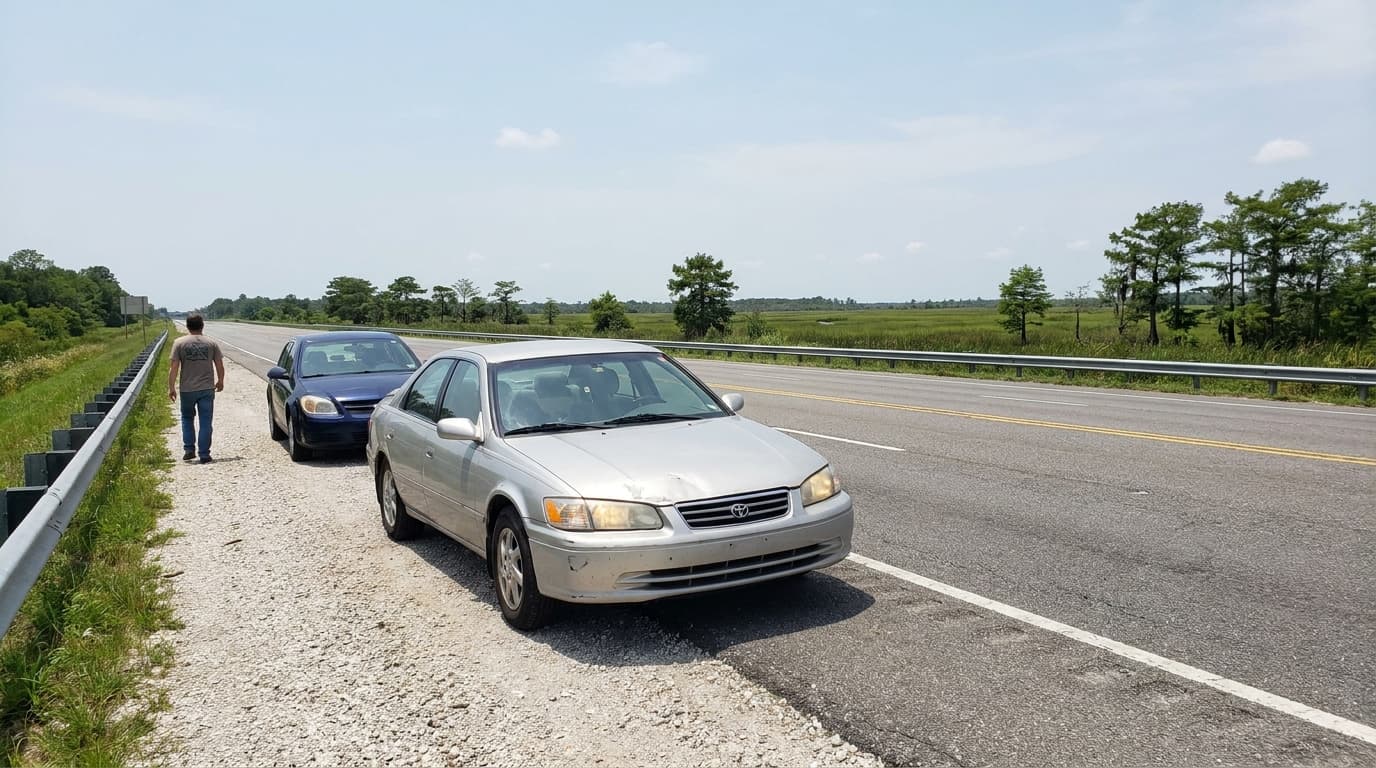
After a car wreck on I-10 near Baton Rouge or a fender bender in a Lafayette parking lot, you may deal with your own insurer, the other driver's insurer, or both. An insurer may close a claim for many reasons. Some are routine, like a missing document or a repair cost below your deductible. Others may be worth a closer look.
A closed file is not always a final denial. Sometimes a claim can be reopened once you send what the adjuster says is missing. That is why the reason matters so much.
How can you tell if your claim was closed without paying?
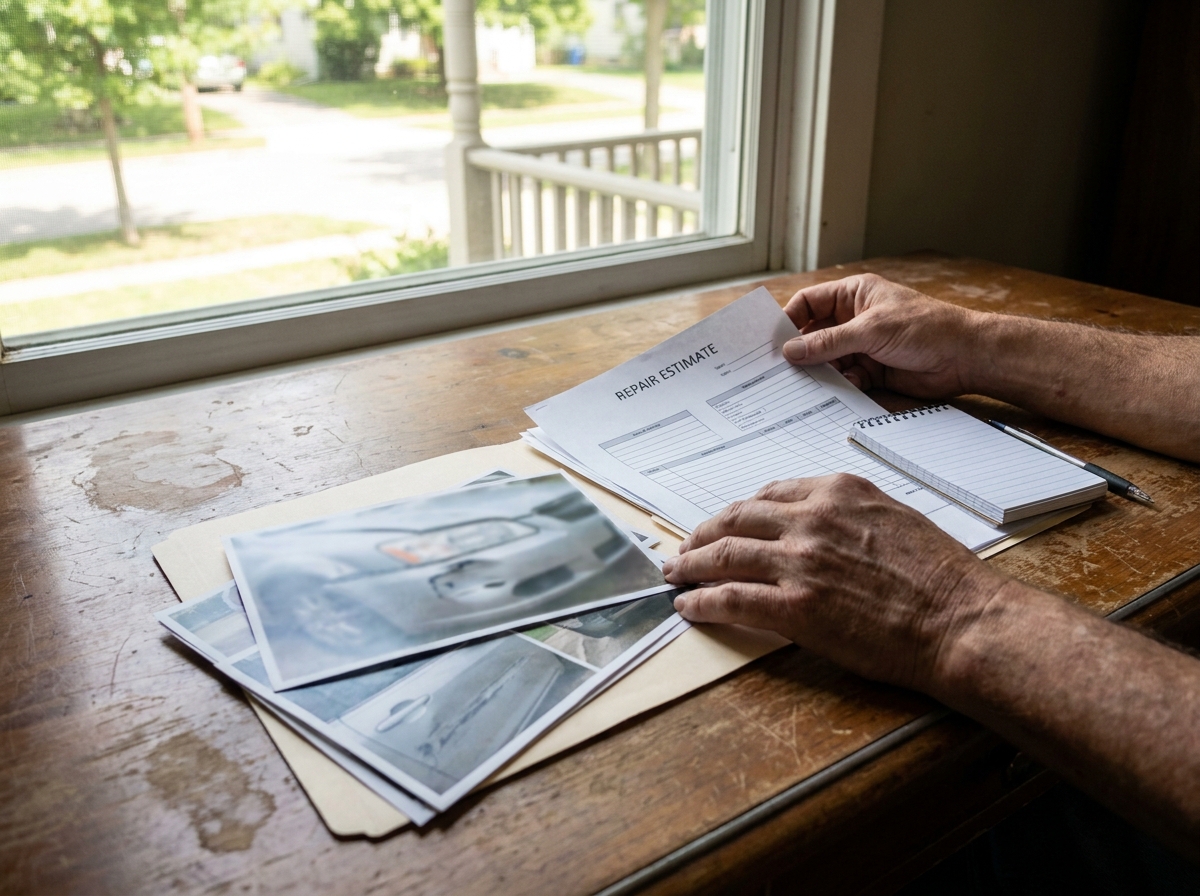
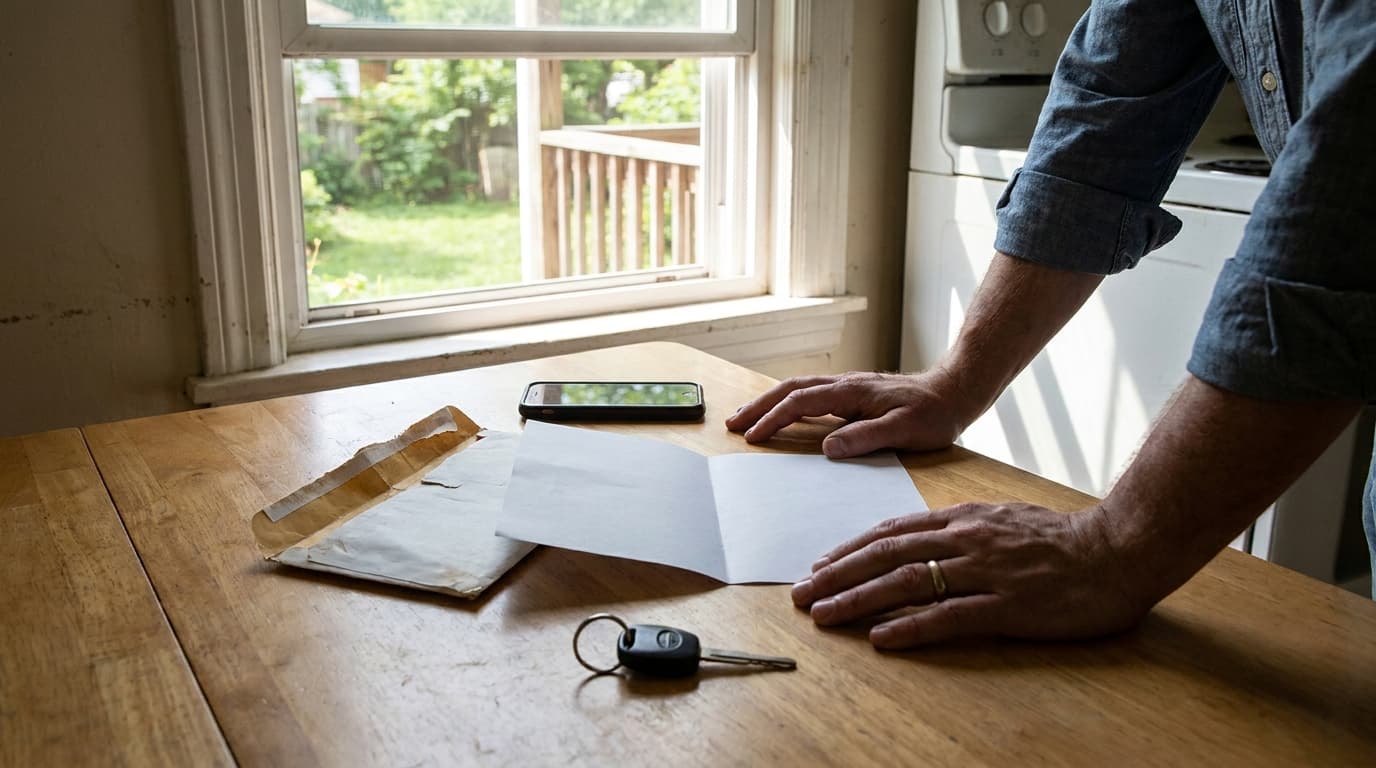
Usually, you will get a letter, email or app notice saying the claim is closed, but not always. If you are unsure, contact your adjuster and ask for the claim status and the reason in writing.
Here are practical steps to take:
- 01. Check your mail, email and the insurer's app for any notice about your claim.
- 02. Write down your claim number and your adjuster's name.
- 03. Ask in writing for the claim status and the specific reason it was closed.
- 04. Ask what documents, if any, would let the company reopen it.
- 05. Keep copies of every letter, photo, repair estimate and medical bill.
A written explanation gives you something concrete to respond to. It also creates a record of what the insurer said and when.
What options may Louisiana law give you?
Generally, Louisiana law requires insurers to handle claims in good faith and pay on time. You may be able to file a complaint with the state or file a lawsuit. Which option fits depends on the facts, your policy and key dates.
- Payment timing and good faith: La. R.S. 22:1892 and La. R.S. 22:1973 set rules on how quickly insurers must act and require them to deal fairly. Penalties may apply when an insurer acts arbitrarily, which means without a fair reason. These laws have details and limits, so check the current text before relying on them.
- A complaint to the state: The Louisiana Department of Insurance regulates insurers and takes consumer complaints.
- A lawsuit: For injuries on or after July 1, 2024, Louisiana generally gives you two years to file suit; for earlier injuries, it is generally one year. The two-year rule comes from Civil Code Article 3493.1, added by Act 423 of 2024. A closed claim generally does not pause that clock.
Fault rules matter too. For accidents on or after January 1, 2026, a person found 51% or more at fault generally recovers nothing under Act 15 of 2025, while earlier accidents follow the older rules. You can read these laws on the Louisiana State Legislature website. This is general information, not legal advice.
What should Louisiana drivers watch for next?
Watch for the insurers' replies to the senators and any follow-up reports or hearings. Any rule changes would likely take time, so they may not help a claim you have today.
Points worth watching:
- Whether the insurers share data on how many claims they close without payment.
- Whether federal or state regulators take further steps.
- Whether the Louisiana Department of Insurance issues guidance for policyholders.
In the meantime, the steps above still apply. Ask for reasons in writing, keep your records and track your deadline. Chris Corzo Injury Attorneys follows these developments because they affect people across Louisiana after an auto accident.
If your insurance company closed your claim after a Louisiana car wreck and you have questions, you can contact Chris Corzo Injury Attorneys to talk through your situation.
Frequently asked questions
A closed insurance claim can sometimes be reopened, especially if it was closed because of missing paperwork or no response. Ask your adjuster in writing what the company needs to reopen the file, then send it and keep copies. Whether a claim can be reopened depends on your policy, the reason it was closed and the facts. Reopening a claim generally does not pause your deadline to file a lawsuit.
A closed claim is not always the same as a denial. Insurers may close files for routine reasons, such as a repair cost below the deductible, a duplicate claim or missing documents. A denial usually means the company decided it does not owe payment. Asking for the reason in writing is the clearest way to learn which one happened in your case.
The Louisiana Department of Insurance regulates insurers doing business in the state and accepts consumer complaints. Its website, ldi.la.gov, explains how to file one. A complaint may prompt the insurer to respond, but it is not the same as a lawsuit and does not stop your filing deadline. Keep copies of your claim records to support your complaint.
The filing deadline for most injury claims in Louisiana is generally two years for injuries on or after July 1, 2024, under Civil Code Article 3493.1, added by Act 423 of 2024. For injuries before that date, the deadline is generally one year. Other deadlines may apply depending on the facts, so check early rather than waiting on an insurer.
Sources