

Generally, if you are an out-of-state driver in a car accident in Louisiana, Louisiana law governs your injury claim, not the law of your home state. That means Louisiana's filing deadline and fault rules may apply to you. The steps you take before you drive home can protect your options.
What should you know before you start?
Before you follow the steps below, know that a wreck in Louisiana is generally handled under Louisiana rules, no matter where your car is registered. Your home-state insurance still matters. If both drivers live in the same other state, some issues may be decided under that state's law instead. And safety comes first: if anyone is hurt, call 911 right away.
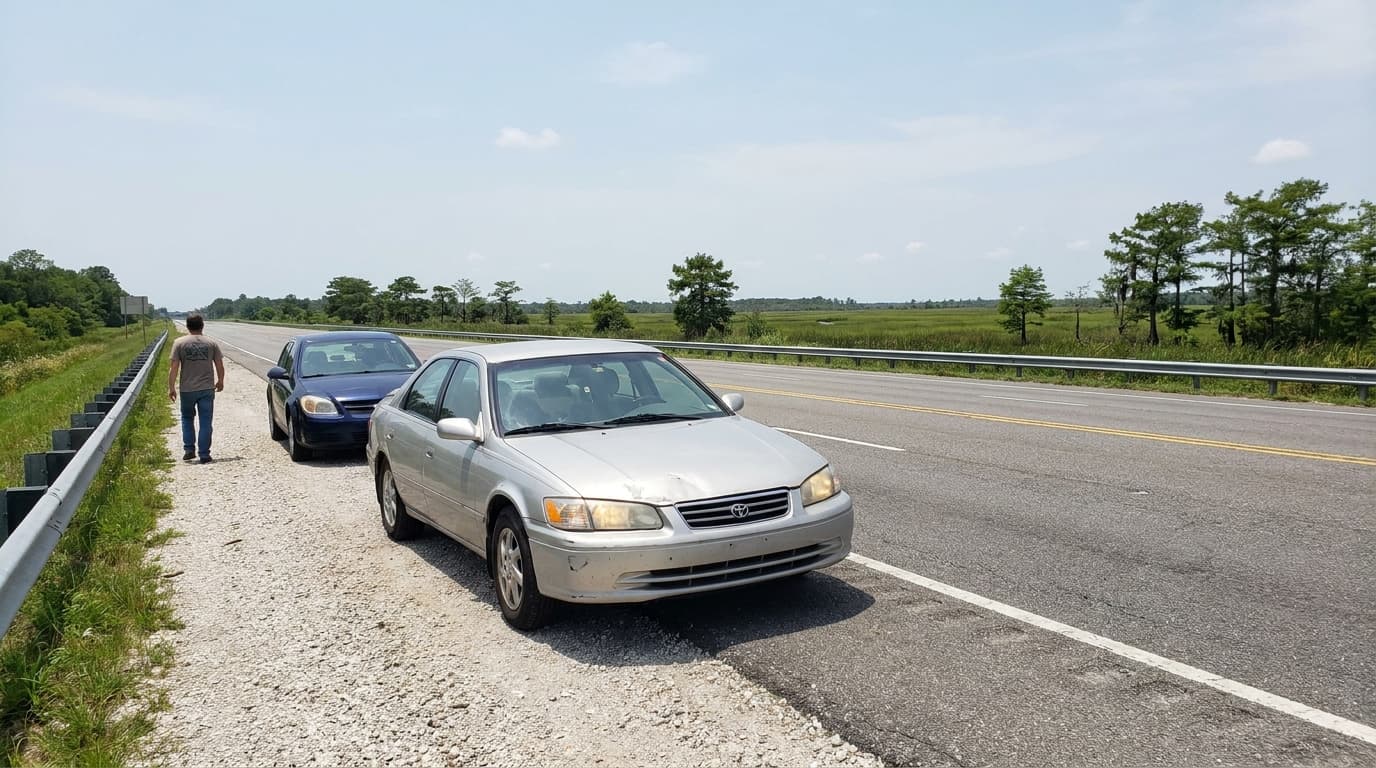
Louisiana sees a lot of through traffic. I-10 crosses the south of the state through Lake Charles, Lafayette, Baton Rouge and New Orleans. I-20 runs across the north through Shreveport and Monroe, and I-49, I-12 and I-55 carry plenty of travelers too.
When you are far from home, small details are easy to lose. You may be tired, in a rental car, or trying to catch a flight. That is why it helps to have a short checklist ready.
One term you will see below is prescription, which is Louisiana's word for the deadline to file a lawsuit. Miss it, and you may lose the right to bring a claim at all.
What steps should an out-of-state driver take after a Louisiana accident?
In most cases, you should get to safety, call the police, document the scene, get medical care, and tell your own insurer, all before you leave Louisiana. The numbered steps below walk you through each one. You can follow most of them on the same day as the auto accident.
- 01. Get safe and call 911. Move out of traffic if you can do it safely, and turn on your hazard lights. Ask for police and, if needed, an ambulance.
- 02. Get the crash report number. Write down which agency came to the scene. On an interstate it is often Louisiana State Police; in a city or parish it may be the local police or the sheriff's office.
- 03. Swap information. Get the other driver's name, phone number, insurance company, policy number, and license plate. Take a photo of their insurance card and driver's license if they agree.
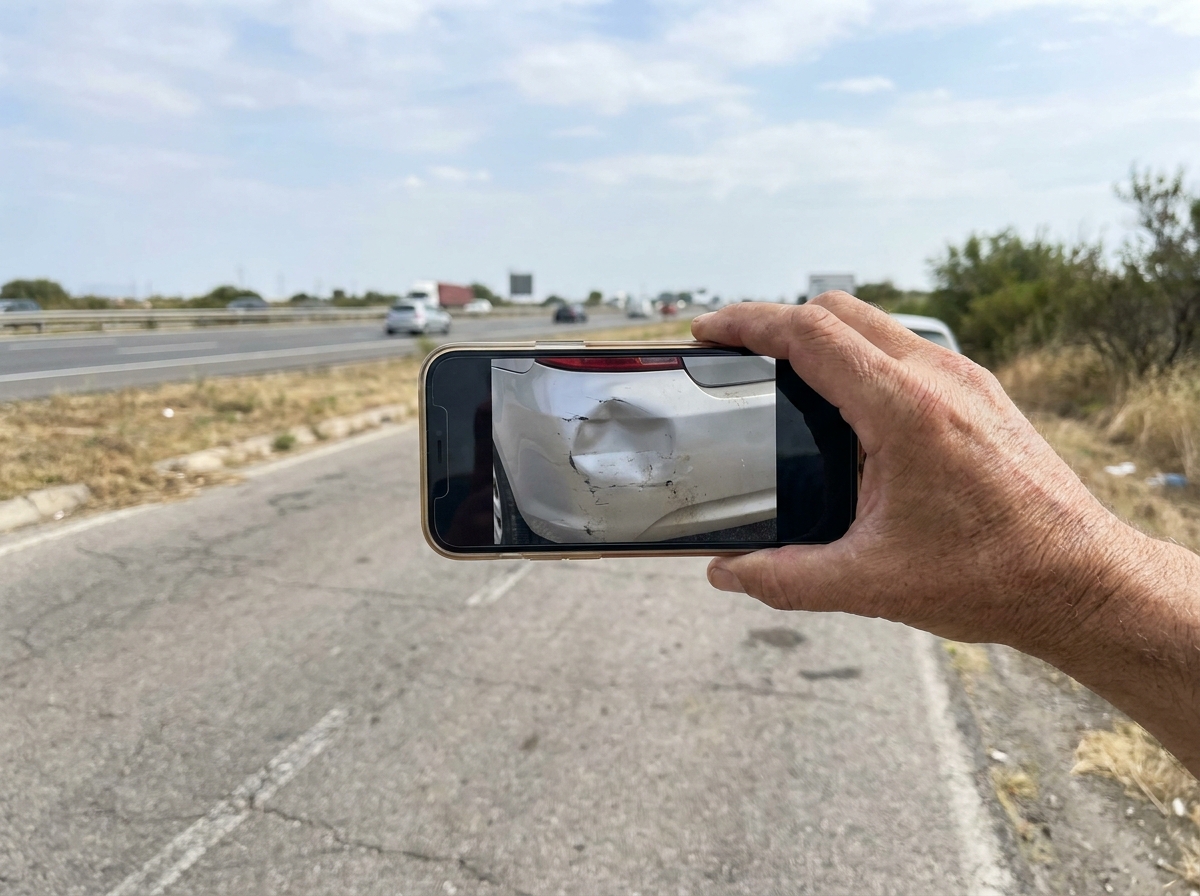
- 04. Take photos and video. Capture all vehicles, the damage, skid marks, road signs, traffic lights, and the weather. Wide shots that show the exit number or mile marker help later.
- 05. Find witnesses. Ask anyone who saw the car wreck for their name and phone number. Witnesses who live locally can be hard to reach once you are back home.
- 06. See a doctor in Louisiana. Some injuries, like whiplash or a concussion, may not hurt right away. Getting checked before you travel creates a record that links your injury to the crash.
- 07. Call your own insurer. Report the crash to your insurance company, even if you think the other driver caused it. Your policy may require prompt notice.
- 08. Write down what happened. While it is fresh, note the time, place, direction you were heading, and what each driver said. Keep this note for yourself.
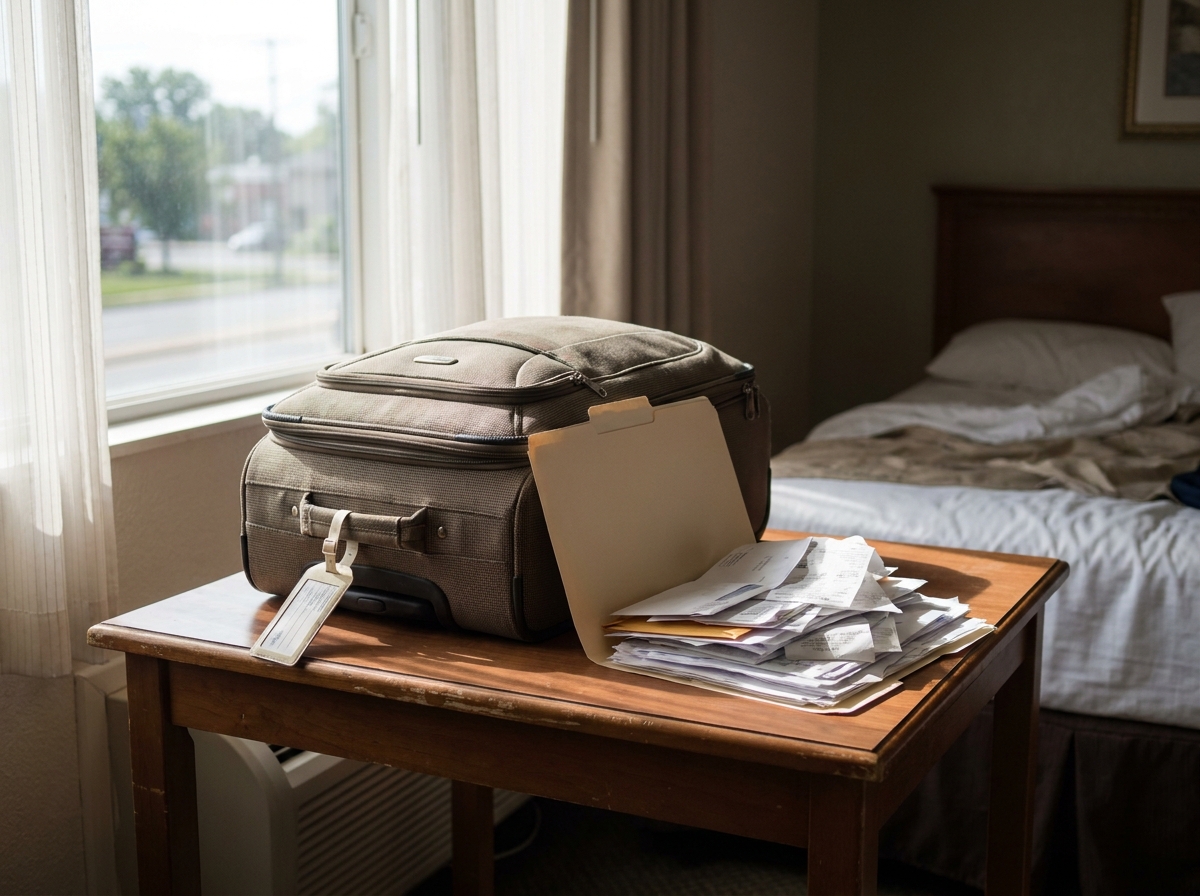
- 09. Save every receipt. Keep records for towing, rental cars, extra hotel nights, changed flights, and medicine. These costs may become part of your claim.
- 10. Plan your follow-up from home. Ask how to request the crash report later, and keep a folder, paper or digital, for every document.
How do Louisiana's deadlines and fault rules apply to visitors?
Louisiana's deadlines and fault rules generally apply to visitors the same way they apply to residents. The filing deadline depends on the date you were hurt, and recent tort reform changed both the fault rule and how past medical bills are counted. Which rules cover your claim can depend on your accident date and other facts, so the table below sums up the key dates as general information, not a final answer for your case.
| Rule | Which crashes | What it generally means |
|---|---|---|
| Filing deadline (Act 423 of 2024, Civil Code Article 3493.1) | Injuries on or after July 1, 2024 | Two years to file a lawsuit |
| Earlier filing deadline | Injuries before July 1, 2024 | One year to file a lawsuit |
| Modified comparative fault (Act 15 of 2025) | Effective January 1, 2026 | 51% or more at fault means no recovery |
| Past medical expenses (Act 466 of 2025) | Effective January 1, 2026 | Generally limited to amounts actually paid |
The deadline is the rule visitors miss most easily. For injuries on or after July 1, 2024, you generally have two years from the crash to file suit, and only one year for injuries before that date. Talking with an insurer generally does not stop this clock.
Fault matters too. Louisiana uses comparative fault, which means your recovery can be reduced by your share of blame (Civil Code Article 2323). Under Act 15 of 2025, starting January 1, 2026, a person found 51% or more at fault recovers nothing. Crashes before that date may fall under the older rule, so the date of your crash matters.
Act 466 of 2025 also changed how past medical bills are counted, starting January 1, 2026. You can read the text of each Act and article on the Louisiana State Legislature website. Which version applies to your crash depends on the facts and the dates involved.
How does your home-state insurance work with a Louisiana claim?
Your own auto policy generally travels with you across state lines. Many auto policies include an out-of-state clause that may adjust your liability coverage to meet the minimum where you are driving. The at-fault driver's insurer is usually the one that pays for your injuries, under Louisiana rules.
Your own policy may still help in several ways. Coverage like collision, medical payments, and uninsured/underinsured motorist coverage (protection when the other driver has little or no insurance) may pay some costs. Read your policy or call your agent to see what you have.
Louisiana also has a rule often called "No Pay, No Play," found in La. R.S. 32:866. In general, it limits how much an uninsured driver or owner can recover for their own damages after a crash. If your home-state policy was active when the wreck happened, this rule usually should not affect you, but a lapsed policy could change things.
If you have questions about how insurers must handle claims in Louisiana, the Louisiana Department of Insurance offers consumer help and a way to file a complaint. Keep copies of every letter and email from any insurer.
What should you avoid before heading home?
Avoid anything that could weaken your claim or cut your options short. The biggest mistakes are skipping medical care, admitting fault, and signing papers before you understand them. Here are the common traps to watch for.
- Skipping the doctor. A gap between the crash and your first visit may let an insurer argue you were not really hurt.
- Saying "it was my fault." Stick to the facts. Fault is decided later, based on evidence.
- Giving a recorded statement too soon. The other driver's insurer may ask for one. You can politely say you are not ready yet.
- Signing a release. A release can end your claim for good, even if your injuries turn out to be worse.
- Posting online. Photos or comments about your trip may be used to question your injuries.
- Fixing or junking the car first. Get photos of all damage before repairs, especially if the car is towed to a Louisiana lot.
- Waiting too long. Evidence fades and the filing deadline keeps running while you are back home.
A common problem for visitors is simple distance. Once you leave, it is harder to visit the scene, meet with a local doctor, or get a parish crash report in person. Doing the key steps before you drive or fly out saves you that trouble.
When should you get help from a Louisiana injury attorney?
Consider talking to a Louisiana injury attorney if you were hurt, if fault is disputed, if the other driver has no insurance, or if an insurer is pushing you to settle fast. Help can also make sense when you live far away and cannot easily handle local paperwork.
A lawyer licensed in Louisiana knows the state's deadlines, fault rules and local courts. That can matter when you are dealing with a claim from hundreds of miles away. Many people also find it useful just to learn which rules apply to their crash date.
Chris Corzo Injury Attorneys helps people hurt in car wrecks across Louisiana, including drivers who were only passing through. Every case depends on its own facts, and no one can promise a certain result.
Hurt in a Louisiana auto accident while visiting? Contact Chris Corzo Injury Attorneys to talk through your options.
Frequently asked questions
Louisiana law usually applies to a crash that happens on Louisiana roads, even if you live in another state. That generally includes the filing deadline and the fault rules. If both drivers live in the same other state, some issues may follow that state's law. Your own insurance policy is still governed by its terms, and the exact answer depends on the facts.
Louisiana's filing deadline depends on when you were hurt. For injuries on or after July 1, 2024, you generally have two years to file a lawsuit under Civil Code Article 3493.1, added by Act 423 of 2024. For injuries before that date, the deadline was generally one year. Talking with an insurance company generally does not pause the deadline.
Partial fault does not always end a claim in Louisiana. Under comparative fault, your recovery is generally reduced by your share of blame. Starting January 1, 2026, under Act 15 of 2025, a person found 51% or more at fault recovers nothing. Crashes before that date may fall under the older rule, so your crash date matters.
Louisiana's No Pay, No Play rule, found in La. R.S. 32:866, mainly affects drivers and owners who had no required insurance at the time of the crash. If your home-state auto policy was active, the rule usually should not limit your claim. A lapsed or canceled policy could change that, so check your coverage dates with your insurer.
Getting checked by a doctor before you leave Louisiana is usually a smart move. Some injuries, like whiplash or a concussion, may not show symptoms right away. An early visit protects your health and creates a record tying the injury to the crash. Keep copies of all records and receipts, and follow up with your own doctor once you are home.
Sources