

Yes, in some cases. In Louisiana, you may be able to sue a business over a shooting on its property if the danger was foreseeable and the business did not take reasonable steps to keep people safe. Their security company may share fault too. These claims are hard to prove, and each case depends on the facts.
Can you sue a business for a shooting on their property in Louisiana?
In many cases, a lawsuit is possible, but winning one is not simple. Louisiana law does not make a business an insurer of everyone's safety. Instead, the question is whether the owner knew or should have known about a real risk of violence. If so, did the owner fail to take reasonable steps to lower it?
This kind of claim is often called negligent security. That's a plain label for a premises case where the harm came from someone else's crime, not a wet floor or a broken step. The person who pulled the trigger is still the one most to blame. The question is whether the owner, and maybe a security company, also share part of the fault.
Shootings at shopping centers have many Louisiana families asking these questions. One example is news coverage of a lawsuit filed against the Mall of Louisiana and its security provider after a shooting there. A lawsuit being filed means someone is asking a court to decide. It does not tell you how a court will rule.
What usually happens after a shooting at a store, mall or apartment complex?
Usually, police take the lead first, and the civil side comes much later. Officers secure the scene, collect evidence and look for the shooter. The business may close for a while. Its insurer often starts its own review quickly.
For people who were hurt, the first days are about medical care. Many are hurt by stray bullets, by being knocked down in a crowd, or while running for cover. Families who lost someone face funeral costs and grief at the same time.
Here is what often follows in the weeks after:
- The owner's insurance company may call hurt people or families and ask for a recorded statement.
- Store or mall managers may review video, incident logs and guard schedules.
- News outlets may report on past crimes at the same place. That can matter later.
- A criminal case against the shooter may move forward on its own, apart from any civil claim.
A civil injury claim is not the same as the criminal case. The criminal case is about punishing the shooter. A civil claim asks whether anyone owes money for the harm. It can name the business, a property manager or a security company.
How does Louisiana law look at negligent security?
Louisiana law generally starts with fault. Under Civil Code Article 2315, a person whose fault causes harm to another must repair it. You can read the Civil Code on the Louisiana State Legislature's official law website. Courts use this basic rule, along with the duties of property owners, to decide these cases.
The Louisiana Supreme Court has said that a business generally has no duty to protect people from the crimes of strangers. But there is an important exception. A crime may be foreseeable, meaning a reasonable owner would have seen the risk coming. Then the business may owe a duty to take reasonable safety steps.
To decide if that duty existed, Louisiana courts use a balancing test. The state Supreme Court set it out in Posecai v. Wal-Mart Stores (1999). On one side is how foreseeable and serious the danger was. On the other side is the cost of preventing it, such as guards, lights or cameras.
The more likely and dangerous the crime, the more a court may expect the business to do.
Fault can also be split. Under Louisiana's comparative fault rule in Civil Code Article 2323, a court may divide blame among the shooter, the business, a security company and sometimes the hurt person. Courts can split fault between someone who acted on purpose and someone who was careless. Each party's share can affect how much, if anything, they owe.
Two recent tort reform changes may matter here. Under Act 15 of 2025, a hurt person found 51% or more at fault for their own harm recovers nothing. Under Act 466 of 2025, past medical expenses are generally limited to amounts actually paid. Both changes took effect January 1, 2026.
They generally apply only to injuries on or after that date. So the date of your injury matters.
When someone dies, Louisiana lets certain family members bring a wrongful death claim under Civil Code Article 2315.2. They may also bring a survival claim under Article 2315.1. These cover different losses, such as the family's own grief and the person's suffering before death.
What makes a shooting "foreseeable" to a Louisiana court?
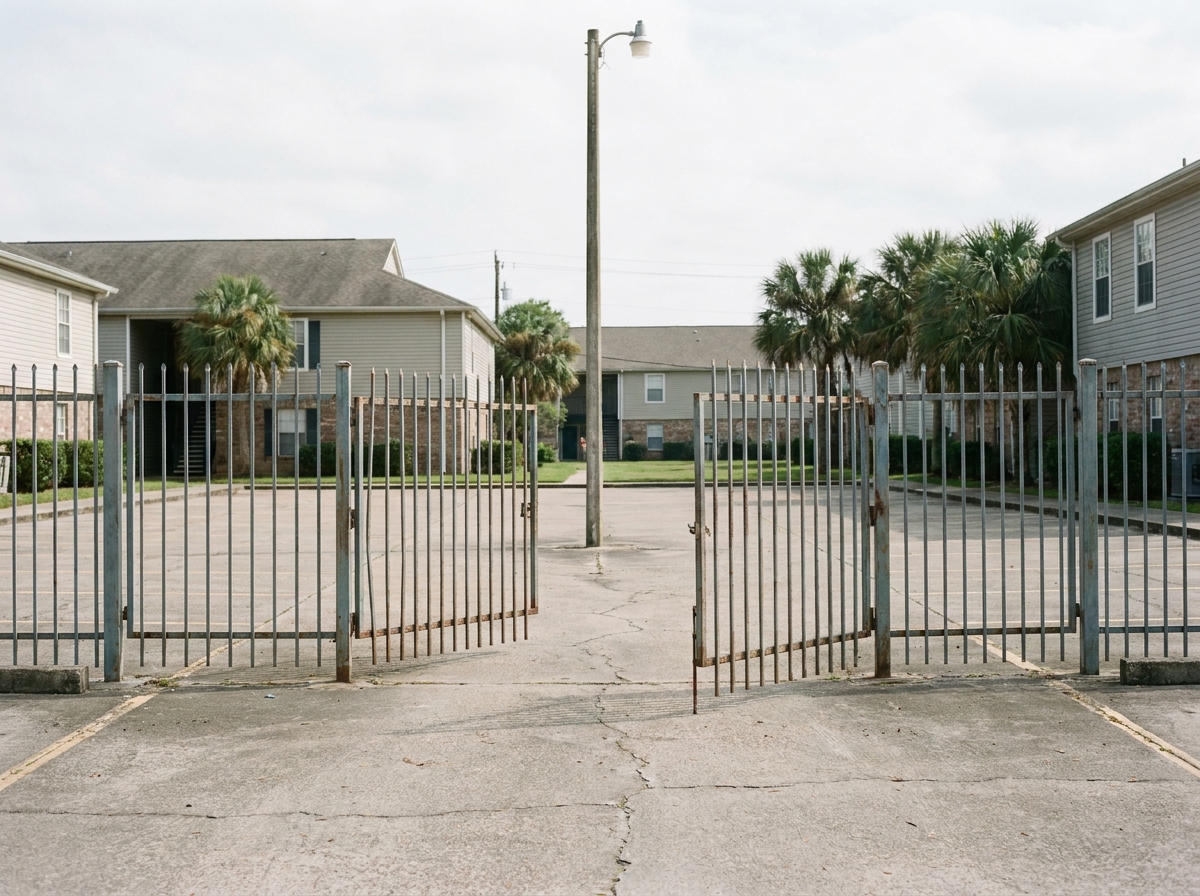
Often, foreseeability comes down to history and warning signs. Courts tend to ask if similar crimes happened at or near the property before. They also ask whether the owner knew about them. A pattern of armed robberies in a parking lot points one way, while a single random act with no warning signs may point another.
The table below shows factors that may come up and how they can cut either way.
| Factor | May point toward liability | May point away from liability |
|---|---|---|
| Past crimes | Several similar violent crimes on or near the site | No prior violent crimes, or only minor ones |
| Owner's knowledge | Police reports, complaints or emails the owner received | No reports or warnings reached the owner |
| Location and layout | Dark corners, broken gates, poor lighting | Well-lit, open, monitored areas |
| Promised security | Guards or cameras advertised but not working | No promises made, and risk was low |
| Cost of prevention | Simple fixes, like repairing lights or locks | Steps that would have been extreme for the risk |
No single factor decides a case. Courts look at the whole picture, and similar past crimes often carry the most weight. A shooting that grew out of a known, ongoing problem looks very different from one nobody could have predicted.
Can a security company be responsible too?
In many cases, yes, a security company may share fault if it did its job carelessly. A mall, store or apartment complex may hire a company to provide guards or patrols. That company takes on duties under its contract and under general negligence law.
Questions that may come up include:
- Were the guards trained for the risks at that location?
- Were enough guards on duty for the size of the site and the crowd?
- Did guards follow the patrol plan and post orders in the contract?
- Did they respond quickly and call police when trouble started?
The contract between the owner and the security company can matter a lot. It may say what the guards were supposed to do, which areas they covered and who was in charge of what. Those papers usually come out through the legal process, not by asking politely.
It's also worth knowing that once a business chooses to provide security, it may be expected to do it reasonably. Advertising "24-hour security" and then leaving the post empty can raise questions. A court may look at that closely.
What evidence tends to matter most?
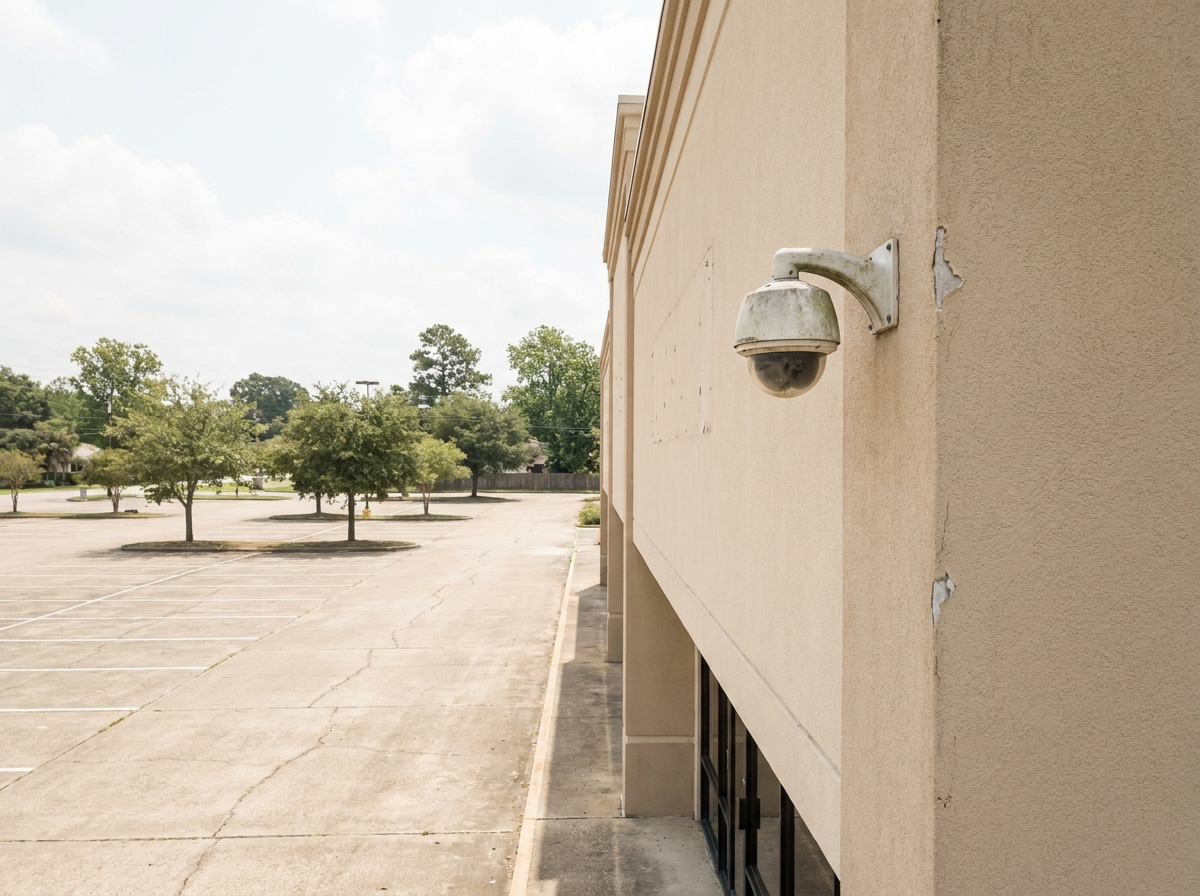
Generally, the most useful evidence shows what the business knew before the shooting and what it did about it. Proof of past crimes, warnings and security gaps is often central. So are medical records showing your injuries.
Evidence that often comes up in these cases includes:
- 01. Video footage from the business, nearby stores, traffic cameras and phones.
- 02. Police reports and call records for the location going back several years.
- 03. Prior complaints from customers, tenants or employees about crime or safety.
- 04. Security contracts, guard logs and schedules showing who was on duty.
- 05. Photos of the scene, including lighting, fences, gates and camera locations.
- 06. Medical records and bills that connect your injuries to the event.
- 07. Witness names and contact details, collected as early as possible.
Video is the piece that tends to disappear first. Many businesses record over footage after a set number of days. A formal written request to save evidence may help keep it from being erased. This is often called a preservation letter.
From what our team sees in premises cases, people who move early to save records are better able to show what really happened. That does not promise any outcome. It simply means the facts are still there to look at.
What should you do after being hurt in a shooting on business property, step by step?
Start with your health and safety, then protect the facts. These steps are practical and don't need any legal training.
- 01. Get medical care right away. Go to the ER or your doctor, even for injuries that seem minor. Follow-up visits create a clear record.
- 02. Report what happened to police. Ask for the report number and the name of the agency. That may be the sheriff's office for your parish or city police.
- 03. Write down what you remember. Note the time, where you were and what you saw. Add anything about guards, lighting or locked doors.
- 04. Take photos if you can do so safely. Capture your injuries, the area and any broken lights, gates or cameras.
- 05. Save everything. Keep receipts, medical bills, torn clothing and any texts or social media messages about the event.
- 06. Collect witness information. A name and phone number can be enough.
- 07. Be careful with insurance calls. You don't have to give a recorded statement to the business's insurer right away.
- 08. Track the deadline. Mark the date of the injury on your calendar and plan around it.
That deadline is the one thing you can't fix later. Louisiana calls it prescription (Louisiana's word for a filing deadline). For injuries on or after July 1, 2024, the general deadline is two years under Civil Code Article 3493.1 (Act 423 of 2024). For injuries before that date, it is still one year.
Wrongful death and survival claims can raise their own timing questions, so check the dates early.
What mistakes hurt negligent security claims?
Usually, the biggest mistakes are waiting too long or saying too much too soon. Lost video, missed deadlines and casual statements can all make a claim harder, even when the facts seem strong.
Common mistakes include:
- Waiting to act. Footage can be deleted, guards can leave their jobs and memories fade.
- Skipping medical care. Gaps in treatment let insurers argue your injuries were minor or unrelated.
- Giving a recorded statement too quickly. Insurers may use your words to shift fault to you.
- Posting about the event online. Photos and comments can be taken out of context.
- Assuming the shooter is the only one at fault. The business or security company may also share blame, depending on the facts.
- Signing papers from an insurer. A release can end your right to bring a claim later.
Another mistake is thinking no case exists because the shooter was never caught. A negligent security claim focuses on what the owner and security company did or didn't do. The shooter's arrest may help, but it is not always needed.
What are your next steps?
In most cases, the best next step is to get organized and learn your deadline. Gather your medical records, the police report number and any photos or notes. Then write down every question you have about the business, its security and the events of that day.
You may be unsure whether the owner or a security company shares fault. Talking with a Louisiana personal injury lawyer can help you see how the law may apply. Chris Corzo Injury Attorneys handles personal injury claims across Louisiana, including premises cases.
Whatever you decide, protect your health, save your evidence and keep the filing deadline in view. Those steps help you keep your options open.
To talk about your situation, contact Chris Corzo Injury Attorneys.
Frequently asked questions
A person hit by a stray bullet at a mall may have a claim against the mall owner or its security company if the violence was foreseeable and reasonable safety steps were missing. Louisiana courts look at past crimes, warnings the owner received and what security was in place. The shooter remains most at fault, but others may share blame depending on the facts.
The filing deadline in Louisiana is generally two years for injuries on or after July 1, 2024, under Civil Code Article 3493.1, added by Act 423 of 2024. Injuries before that date generally still have a one-year deadline. Wrongful death and survival claims can raise their own timing questions, so checking your exact dates early is important.
An arrest is not always required for a negligent security claim. The claim focuses on whether the business or its security company failed to take reasonable steps against a foreseeable danger. An arrest and criminal case can still help by producing police records, video and testimony, but a civil claim follows its own separate path in Louisiana courts.
Apartment complex owners in Louisiana may be responsible for parking lot crime when the danger was foreseeable and they failed to act reasonably. Repeated break-ins, broken gates, poor lighting or ignored tenant complaints can all matter. Courts weigh how likely and serious the risk was against the cost of fixes like lights, locks, cameras or guards.
Sources