


It depends on what caused the crash. In a single car accident in Louisiana, the driver is often found at fault, but not always. A road defect, a missing sign, or a faulty tire or vehicle part may share the blame. Passengers may also have a claim against the driver's insurance.
Why do these single car accident myths stick?
These myths stick because a one-car wreck looks simple. There's only one vehicle and one driver, so people assume the driver made a mistake. Police reports and news stories often describe the crash in a few short lines, which can make it seem settled.
That's a common reaction after news of a fatal crash on a rural road, like recent reports out of Lincoln Parish. In the days after a crash like that, families are grieving and anyone hurt is focused on healing. Few people think to ask whether the road, the signs, or the car itself played a part.
But the first explanation is not always the full story. A sharp curve with no warning sign, a deep drop-off at the pavement edge, or a tire that came apart can all send a car off the road. Those causes may point to someone other than the driver.
The myths, one by one: who may be at fault in a single car accident?
The driver is often at fault, but other people or companies may share responsibility. That can include the agency that maintains the road, a vehicle or tire maker, or a repair shop. Here are the most common myths and what's generally true.
Myth 1: "No other car was involved, so only the driver can be blamed."
Fact: A crash with no other car can still involve other responsible parties. Think about a pothole that sends a car into a ditch, or a curve with a faded or missing warning sign. In those cases, whoever is responsible for that road may share fault.
Other possible causes include:
- Shoulders that drop off sharply from the pavement
- Standing water from poor drainage
- Missing guardrails or damaged signs
- Brake, steering or airbag failures
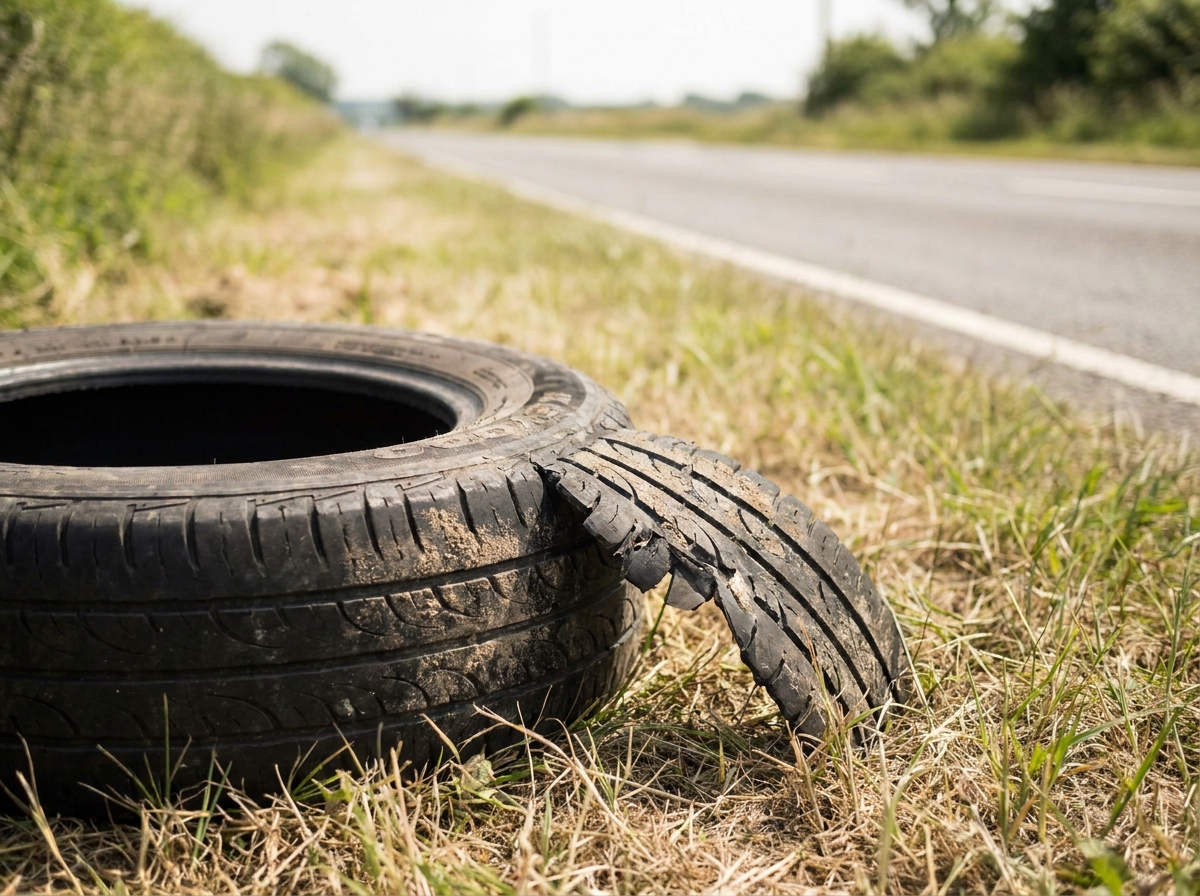
- Tire tread separation or blowouts
Myth 2: "Passengers can't file a claim when their own driver crashed."
Fact: Passengers can generally make a claim against the driver's liability insurance, even when the driver is a friend. When the driver has coverage, the insurance company usually handles the claim. If the driver is a spouse or parent, special Louisiana rules may affect how the claim is brought, so the details matter.
A passenger may also have claims against other parties, such as a road agency or a parts maker, depending on the facts. If the driver's coverage is low or missing, uninsured/underinsured motorist coverage may also help.
Myth 3: "You can't hold the government responsible for a bad road."
Fact: Public agencies can be held responsible, but special rules apply. In Louisiana, the state Department of Transportation and Development (DOTD) maintains state highways, while parishes and cities handle many local roads.
Under La. R.S. 9:2800, a public entity is generally liable for a defective road only if it had notice of the problem. Notice means it knew, or should have known, about the defect. The agency also must have had a reasonable chance to fix it and failed to.
That makes proof important. Repair records, past complaints and photos of the spot may matter.
Myth 4: "A blown tire or brake failure is just bad luck."
Fact: Sometimes a part fails because it was badly designed, badly made, or sold without proper warnings. The Louisiana Products Liability Act (La. R.S. 9:2800.51 and following sections) lets injured people bring claims against manufacturers in those cases.
A shop that installed a part wrong may also share fault. You can look up open safety recalls for a vehicle or tire on the NHTSA recalls page. Keeping the damaged tire or vehicle, instead of letting it be scrapped, may help preserve key evidence.
Myth 5: "If the driver was partly at fault, nobody can recover anything."
Fact: Louisiana uses comparative fault, which means blame can be split by percentage among everyone involved (Civil Code Article 2323). Each party's share may reduce what is owed.
The rules changed recently. Under Act 15 of 2025, for crashes on or after January 1, 2026, a person found 51% or more at fault generally recovers nothing. For earlier crashes, a person could generally still recover even with a larger share of fault, reduced by that share. The crash date matters, so check the timing.
Myth 6: "There's plenty of time to look into it later."
Fact: Time limits are strict. Louisiana's prescription period (its word for a filing deadline) is generally two years for injuries on or after July 1, 2024, under Civil Code Article 3493.1 (Act 423 of 2024). For injuries before that date, it is still one year. You can read Louisiana's laws on the Louisiana State Legislature website.
Evidence also fades fast. Road crews may patch a pothole or replace a sign within days. Skid marks wash away.
What's actually true about fault in a Louisiana single car accident?
What's true is that fault depends on the facts. The driver may be fully at fault, partly at fault, or not at fault at all. Before assuming there's no claim after a one-car auto accident, it helps to ask a few questions about the road, the vehicle and the timing.
Here are questions worth asking after a one-car wreck:
- 01. Was there anything wrong with the road? Look for potholes, drop-offs, standing water, or a missing guardrail.
- 02. Were the signs clear? Note any faded, hidden, or missing curve and speed signs.
- 03. Did a part fail? Think about tires, brakes, steering, or airbags.
- 04. Is there an open recall? Check the vehicle and tire on NHTSA's recall search.
- 05. Who maintains the road? It may be DOTD, a parish, or a city.
- 06. Were you a passenger? You may have a claim against the driver's insurance.
- 07. When did the crash happen? The date affects both the filing deadline and the fault rules.
It also helps to save what you can. Take photos of the scene, keep the vehicle and tires if possible, and write down what you remember while it's fresh. Ask for a copy of the crash report.
Every case is different, and this is general information, not legal advice. Outcomes depend on the facts and the law that applies. Chris Corzo Injury Attorneys handles personal injury cases across Louisiana and can help you sort through these questions.
To talk about your situation, contact Chris Corzo Injury Attorneys.
Frequently asked questions
Fault in a single car accident often falls on the driver, but not always. A road defect, missing or confusing signs, or a faulty tire or vehicle part may make another party share the blame. Louisiana splits fault by percentage among everyone responsible under Civil Code Article 2323. The real answer depends on what caused the car to leave the road or lose control.
Passengers hurt in a one-car crash can generally make a claim against the driver's liability insurance, even if the driver is a friend. Special rules may apply when the driver is a spouse or parent. A passenger may also have claims against others, such as the agency that maintains the road or a parts maker, depending on what caused the wreck and the facts involved.
Claims against DOTD or another public agency are possible, but special rules apply. Under La. R.S. 9:2800, you generally must show the agency knew or should have known about the defect and had a reasonable chance to fix it. Proof such as repair records, earlier complaints and photos of the spot may be important, so gathering evidence early can help.
The filing deadline in Louisiana is generally two years for injuries on or after July 1, 2024, under Civil Code Article 3493.1 (Act 423 of 2024). For injuries before that date, the deadline is still one year. Missing the deadline may end your claim, and evidence like road conditions can change quickly, so acting early is wise.
Sources