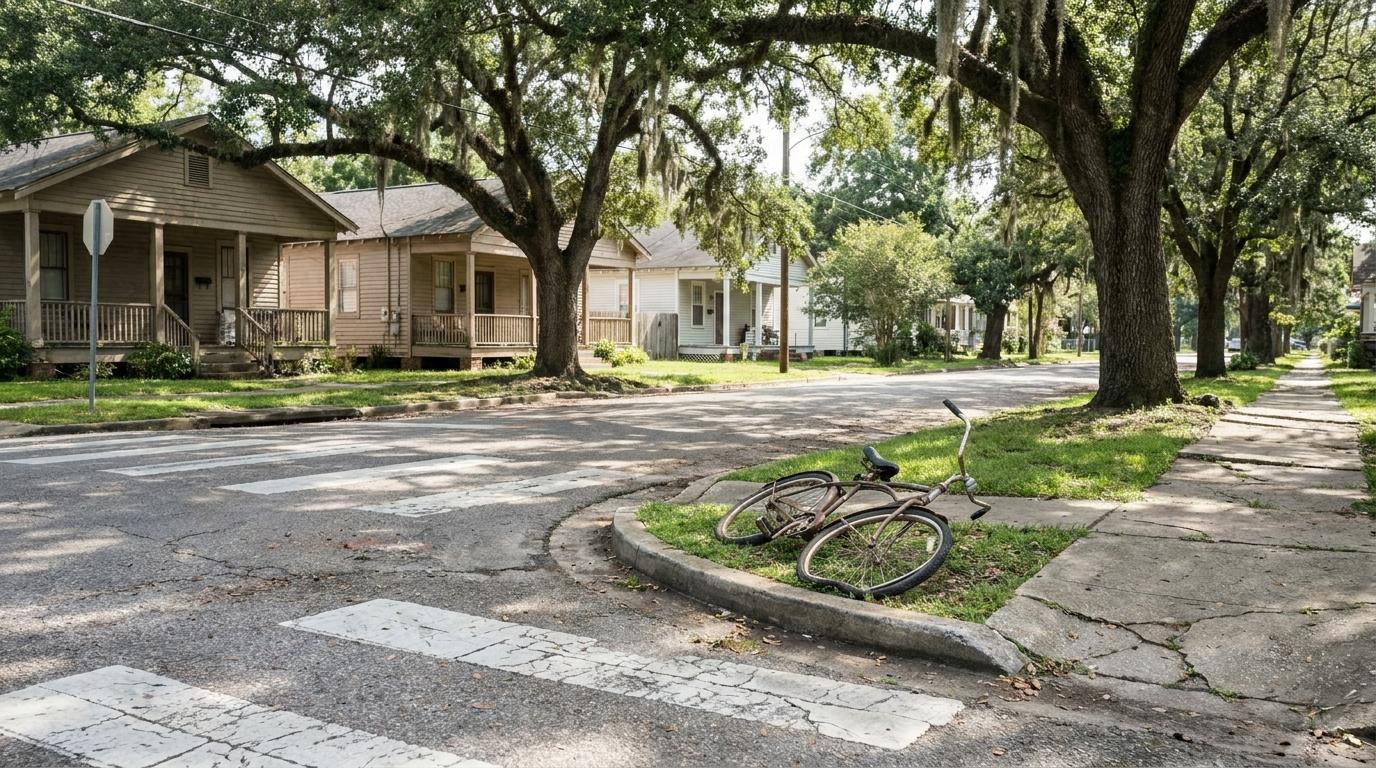


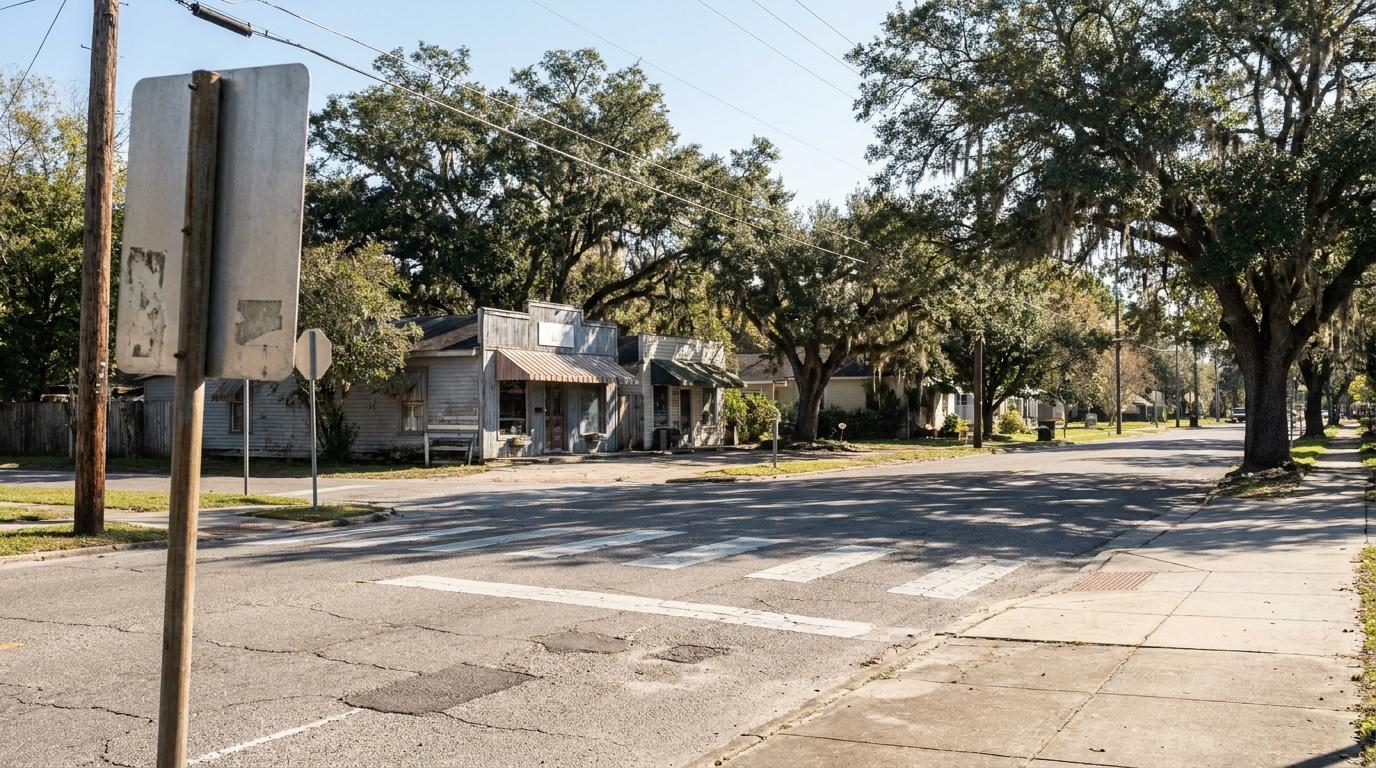
Generally, if you are hit by a car as a pedestrian in a Louisiana hit-and-run, you should get to safety, call 911, get medical care and report the crash to police. Then save evidence and check your own auto policy. Uninsured motorist coverage may help pay for your injuries even if the driver is never found.
Hit-and-runs can leave people on foot badly hurt and unsure where to turn. In one Slidell case reported by WWL-TV, two pedestrians were hurt. State police later made an arrest and said the driver was also suspected of impaired driving. Stories like this leave many people asking the same thing: what now, if the driver is gone?
This guide walks you through it step by step. It is general information, not legal advice, and every case depends on its own facts.
What should you do first after a pedestrian hit-and-run in Louisiana?
First, get out of traffic if you can and call 911. Ask for police and an ambulance. Your safety and your health come first, before chasing the car or taking photos.
People on foot often get hurt worse than people inside a car. There is no metal frame or airbag between you and the vehicle. Some injuries, like head trauma or internal bleeding, may not show signs right away.
In Louisiana, leaving the scene of a crash is a crime under La. R.S. 14:100 (the hit-and-run driving law). That gives the police a real reason to look for the driver. Your call to 911 starts that search and creates an official record.
If you can, write down or say out loud what you remember while you wait. Even small details help, such as:
- The color, size and type of the car
- Any part of the license plate
- Which way the driver went
- Any damage, like a broken mirror or headlight
What are the steps to take after a hit-and-run as a pedestrian?
The main steps are simple: get care, report, gather evidence, notify insurance and track your losses. You can start most of them today, even from a hospital bed or with help from a family member.
- 01. Get medical care right away. Go to the ER or urgent care the same day, even if you feel okay. A medical record made soon after the crash links your injuries to the event. Follow your doctor's plan and keep every appointment.
- 01. Get the police report number. The crash may be handled by a city police department, a parish sheriff's office or Louisiana State Police, depending on where it happened. Ask the officer for the report number and the agency name. You will need both later.
- 01. Find witnesses. Ask anyone who stopped for their name and phone number. Witnesses matter even more when the driver is unknown. Their account can back up yours.
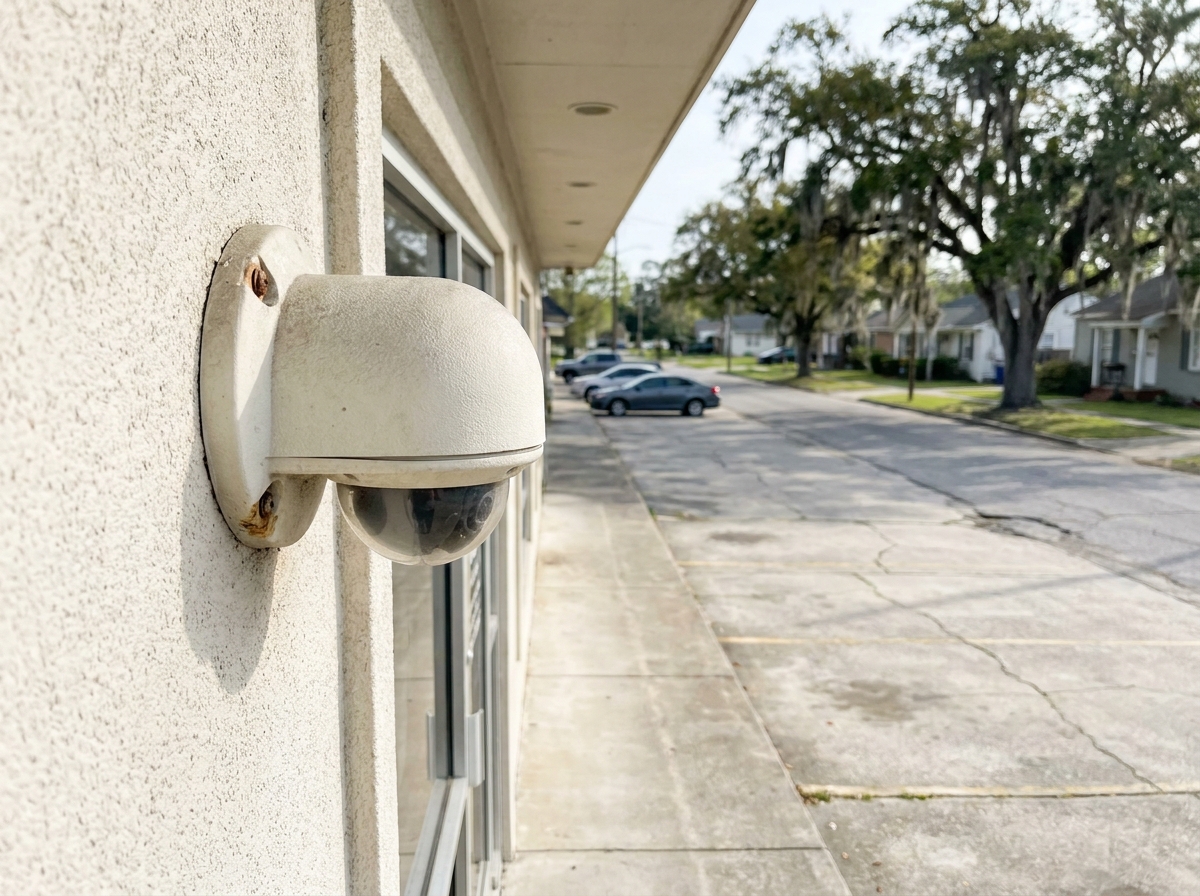
- 01. Look for cameras. Many businesses, homes and gas stations have security cameras. Along busy roads like Gause Boulevard in Slidell or US 190 across the Northshore, there may be several. Ask quickly, because some systems record over old footage within days.
- 01. Take photos. Photograph the scene, your injuries, torn or bloody clothing, and any car parts left behind. Keep the clothes and shoes you wore in a bag. Do not wash or throw them away.
- 01. Tell your own auto insurer. Report the crash to your insurance company, even though you were walking. Your policy may include uninsured motorist coverage (often called UM) or medical payments coverage that applies to you as a pedestrian. Policies often require prompt notice.
- 01. Keep a file of your losses. Save medical bills, receipts, pay stubs and notes on missed work. Write a short daily note about your pain and what you can't do. These records may support your claim later.
Can your own auto insurance cover you when you were on foot?
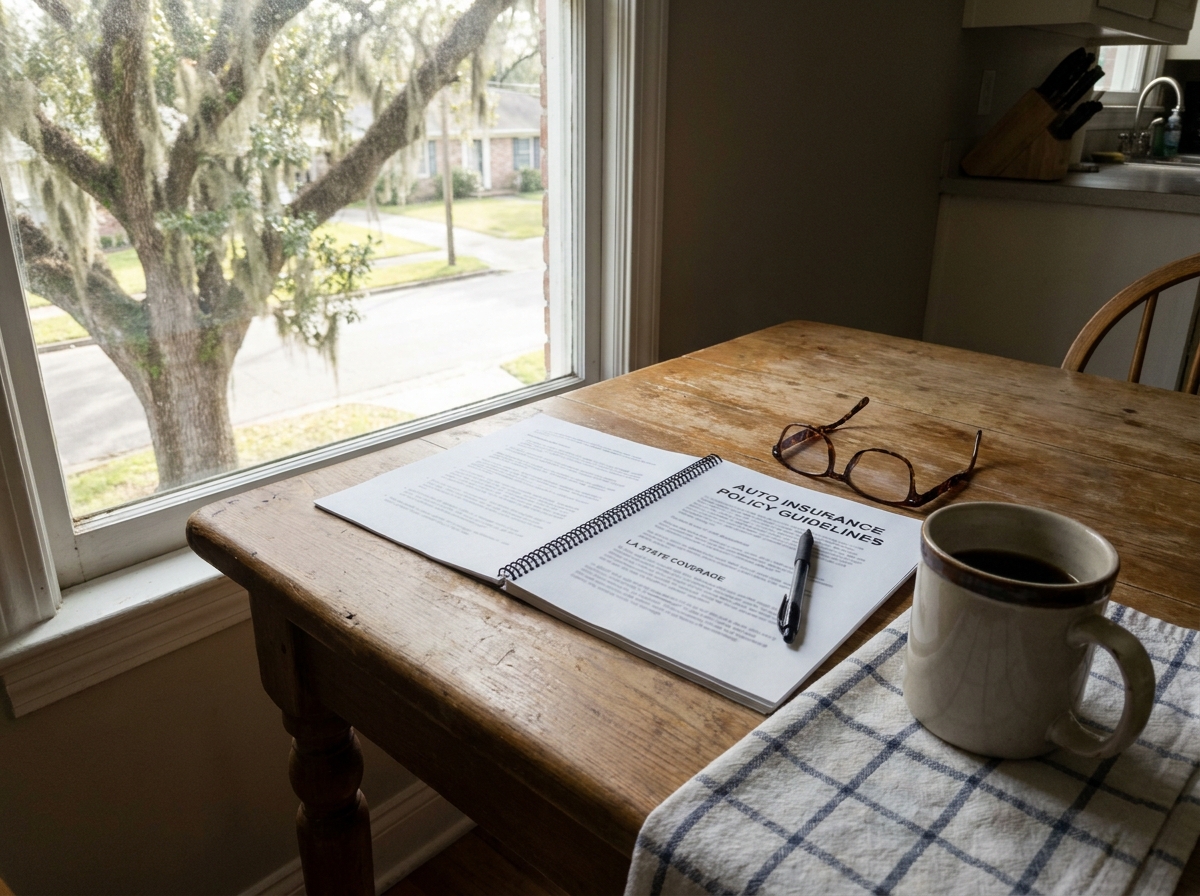
In many cases, yes. Louisiana UM coverage generally protects you as a person, not just your car. That means it may pay for injuries caused by a driver who has no insurance, too little insurance or who can't be found, even when you were walking.
Louisiana's UM law is La. R.S. 22:1295. Under that law, UM coverage is generally part of an auto policy unless the policyholder rejected it or chose lower limits in writing on a state form. You can read Louisiana statutes on the Louisiana Legislature's official law website.
The Louisiana Department of Insurance explains auto coverage types on its website at ldi.la.gov. You may also be covered under a policy held by a relative you live with. The details depend on the exact policy language, so ask your insurer, in writing, which coverages apply to you.
 Do I Have A Case?Answer a few quick questions about your accident.Check My Case
A few things can make UM claims harder:
- No contact. If the car never touched you and you were hurt dodging it, the law may require extra proof, such as an independent witness.
- Late notice. Waiting weeks to tell your insurer may cause problems under your policy.
- Gaps in treatment. Long breaks between doctor visits can give the insurer a reason to question your injuries.
If you don't own a car or have auto insurance, other options may still exist. These can include your health insurance and, for some crimes, help from the Louisiana Crime Victims Reparations Board.
How does an arrest or DWI charge affect your civil claim?
An arrest starts a criminal case, which is separate from your injury claim. The state handles the criminal case. Your civil claim (a request for money to cover your losses) is your own, and it can move forward whether or not the driver is convicted.
If police find the driver, that driver's liability insurance may become the first source of payment. Your UM coverage may still help if their coverage is too low to pay for your injuries. The police report and arrest record can also help show who was at fault.
Impaired driving is a crime in Louisiana under La. R.S. 14:98. If the driver was drunk or impaired, Louisiana Civil Code Article 2315.4 may allow exemplary damages (extra damages meant to punish very careless conduct) in some cases. Whether that applies depends on the facts and the proof.
A criminal case can take months or years. You don't have to wait for it to end before you get medical care, notify insurance or protect your rights. Keep in touch with the investigating officer so you know when the case moves.
What should you avoid after being hit?
Avoid anything that weakens your records or your claim. The most common mistakes are skipping medical care, giving recorded statements too soon, posting online and waiting too long to act.
- Don't skip the doctor. Insurers often point to delays in care to argue you weren't badly hurt.
- Don't guess in statements. If an insurer asks for a recorded statement, you can ask to give it later. Stick to facts you know.
- Don't post about the crash. Photos or comments on social media can be taken out of context.
- Don't sign releases quickly. A release may end your right to seek more money later.
- Don't assume you're out of luck. Many people never check their own policy. That one call may open options you didn't know you had.
Also be ready for questions about where you were walking. Insurers may argue you were outside a crosswalk or wearing dark clothing. Louisiana uses comparative fault under Civil Code Article 2323, which means your recovery may be reduced by your share of the blame.
Act 15 of 2025 changed this rule for accidents on or after January 1, 2026. For those crashes, a person found 51% or more at fault generally recovers nothing. For earlier crashes, recovery is generally reduced by your share of fault instead.
For tips on staying safe on foot in the future, NHTSA shares guidance on its pedestrian safety page.
When should you get help from an injury lawyer?
It may help to talk with a lawyer soon if you were badly hurt, the driver is unknown, an insurer denies your claim or the driver was charged with a crime. These cases often involve more than one policy and strict deadlines.
Louisiana calls a filing deadline prescription. Under Civil Code Article 3493.1, added by Act 423 of 2024, you generally have two years to file a lawsuit for injuries that happened on or after July 1, 2024. For injuries before that date, the deadline was generally one year. Your UM policy may also have its own notice rules, so don't wait.
Here is what usually helps to bring to a first meeting with any law firm:
- Your police report number and agency name
- Your auto policy, plus any policy of a relative you live with
- Medical records and bills
- Names of witnesses and any photos or video
Chris Corzo Injury Attorneys handles pedestrian and hit-and-run injury claims across Louisiana. A lawyer can review your policies, explain how the law may apply and talk with insurers for you. Whether you call a firm or not, the steps above can help protect your health and your options.
To talk about a pedestrian hit-and-run in Louisiana, contact Chris Corzo Injury Attorneys through this website.
Frequently asked questions
Pedestrians hurt by an unknown driver may still have options. Uninsured motorist coverage on your own auto policy, or on a policy of a relative you live with, may pay for injuries even when the driver is never identified. Health insurance and medical payments coverage may also help. Extra proof may be needed if the car never touched you, so report the crash and gather witnesses quickly.
Uninsured motorist coverage in Louisiana generally protects the insured person, not just the car. That means it may apply when you are hit while walking, jogging or crossing a parking lot. Coverage depends on your exact policy and whether anyone rejected UM or chose lower limits in writing. Ask your insurer in writing which coverages apply to you after a pedestrian crash.
Louisiana's deadline to file an injury lawsuit is generally two years for injuries on or after July 1, 2024, under Civil Code Article 3493.1. Injuries before that date generally had a one-year deadline. Insurance policies may also require prompt notice of a claim. Because deadlines can depend on the facts, acting early is the safest choice.
A criminal case and an injury claim are separate in Louisiana. The state runs the criminal case, while your claim seeks money for your own losses. You generally don't need to wait for a conviction to report the crash to insurers, get treatment or protect your rights. Waiting on a slow criminal case could risk missing your civil filing deadline.
Sources